Details for Austria











U.S. travelers visiting Austria for tourism can enter the country without a visa for stays up to 90 days within a 180-day period. A valid U.S. passport is required, and it must be valid for at least three months beyond your planned departure date from the Schengen Area. It's advisable to check the latest entry requirements with the Austrian embassy or consulate before traveling.
Austria uses the Euro (€) as its currency. Credit cards, particularly Visa and MasterCard, are widely accepted in cities, hotels, restaurants, and shops. However, in smaller towns or rural areas, it's a good idea to carry some cash, as not all establishments may accept cards. ATMs are readily available for withdrawing Euros.
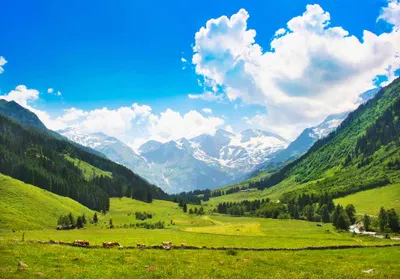
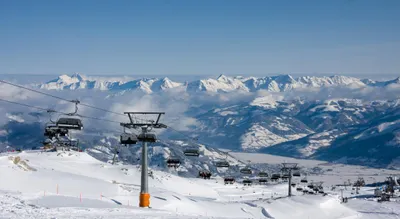
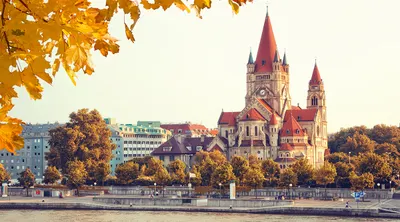
The best time to visit Austria depends on your interests. For skiing and winter sports, December to March is ideal. If you prefer mild weather for sightseeing and outdoor activities, consider visiting between April and October. The summer months of June to August are perfect for hiking and enjoying Austria's natural beauty, while the fall offers stunning foliage and harvest festivals.
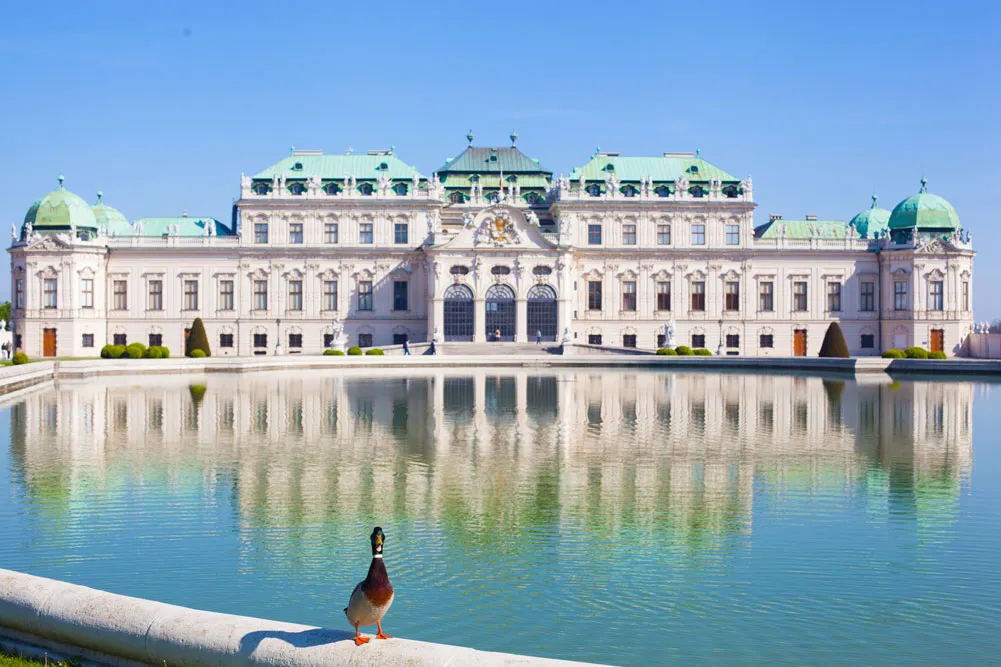
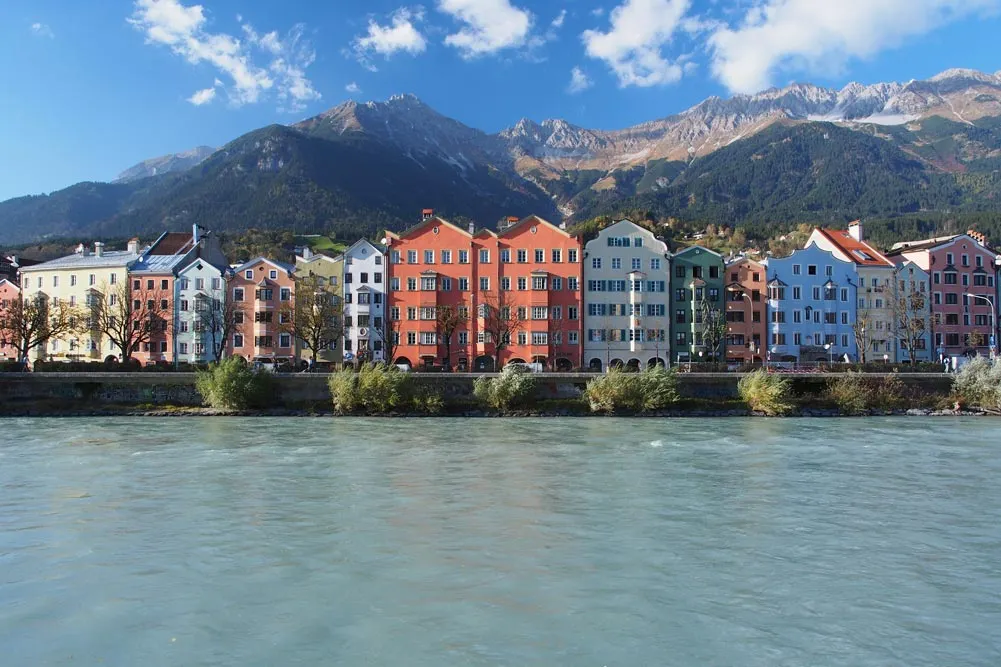
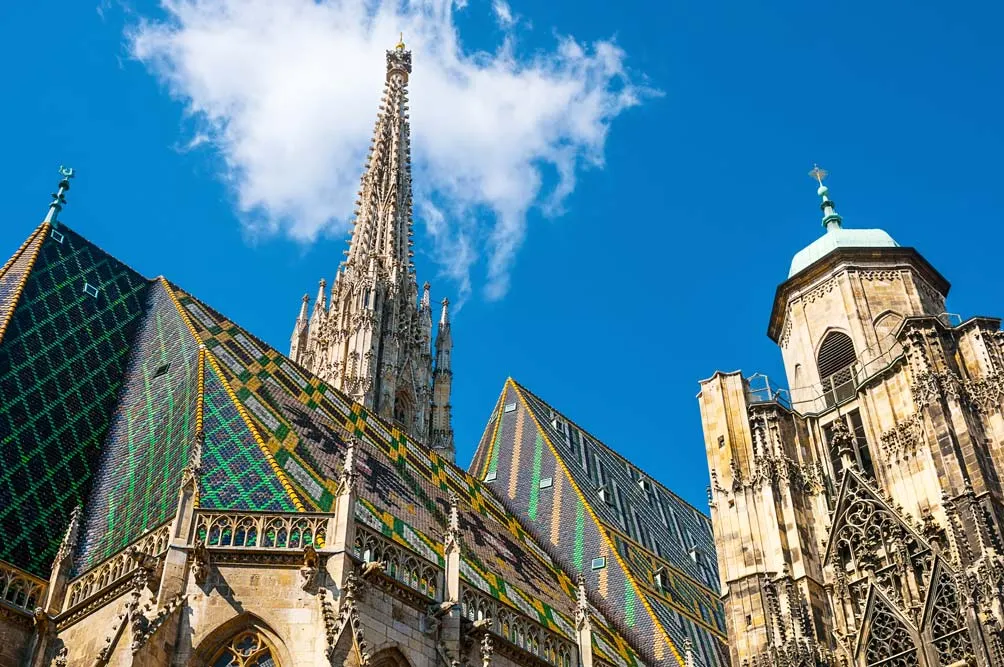
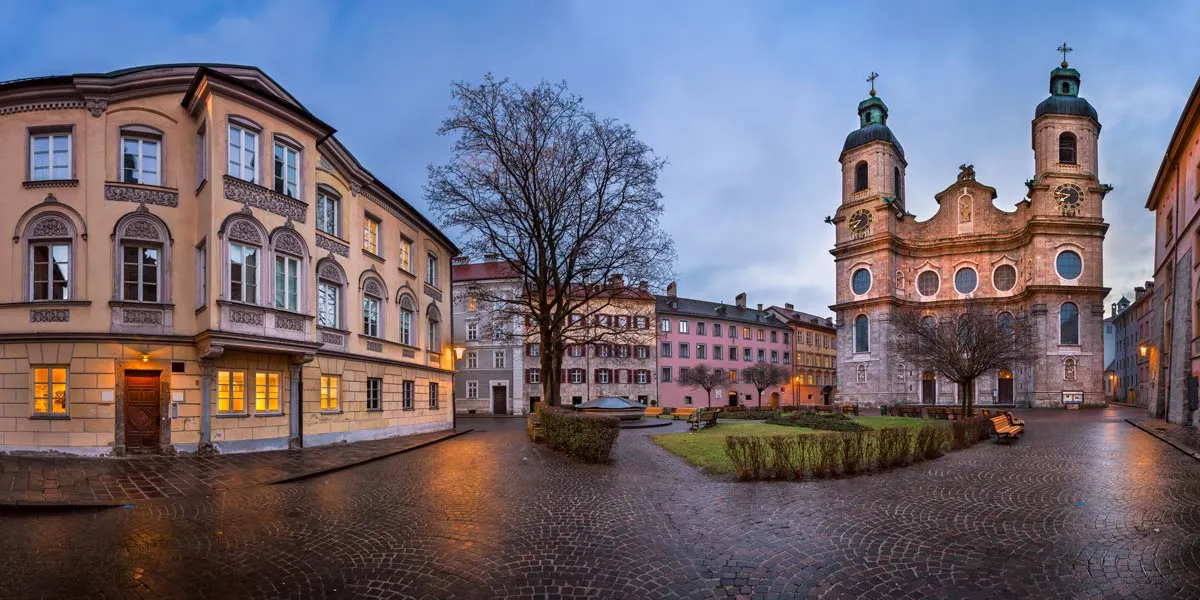
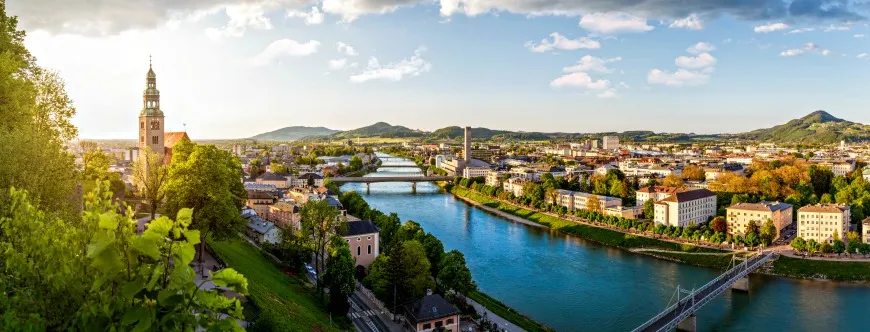
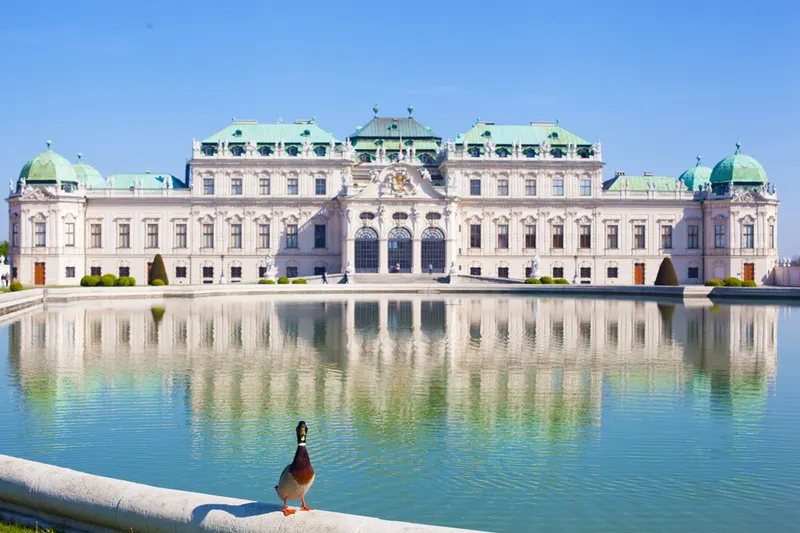
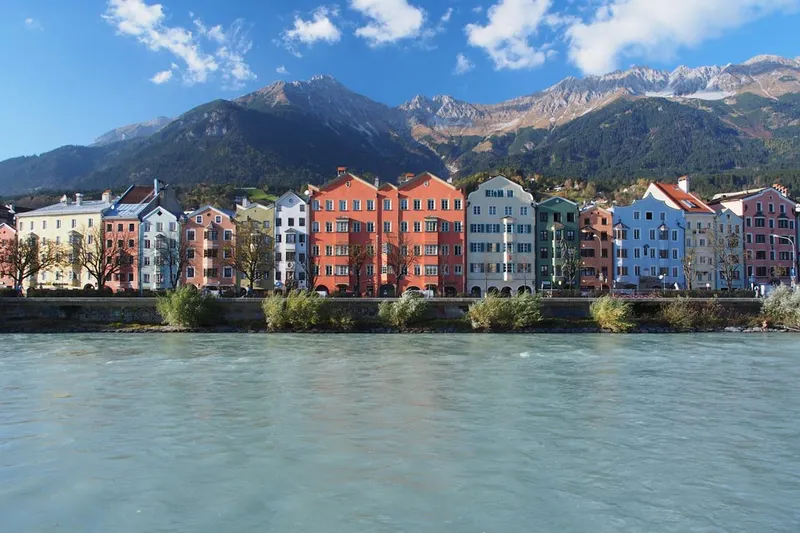
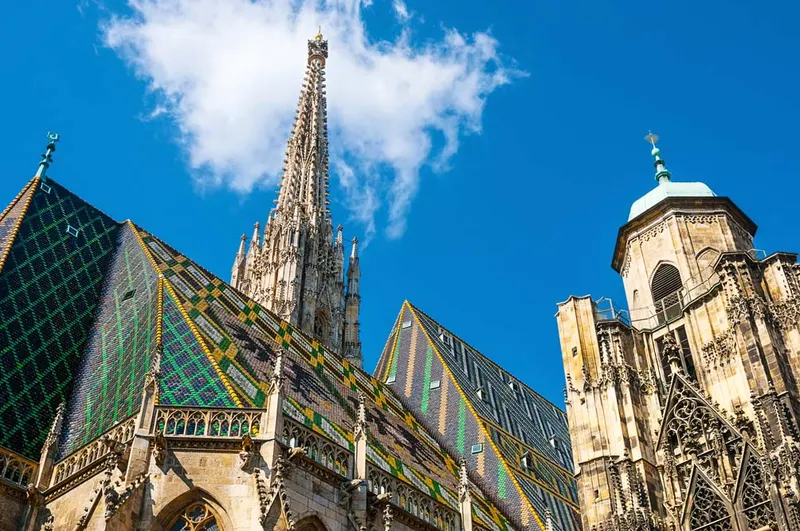
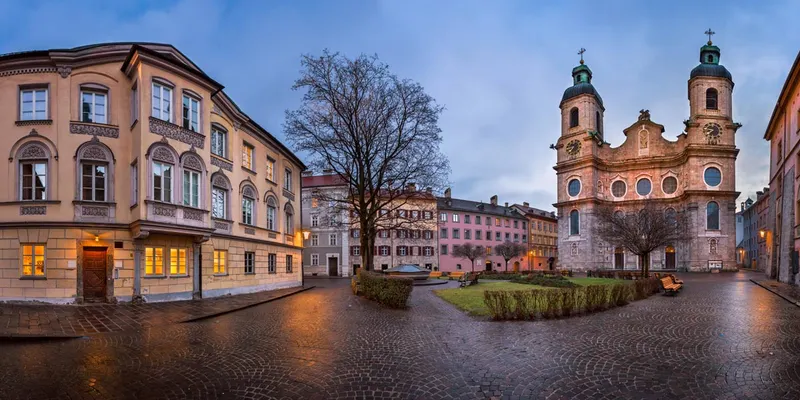
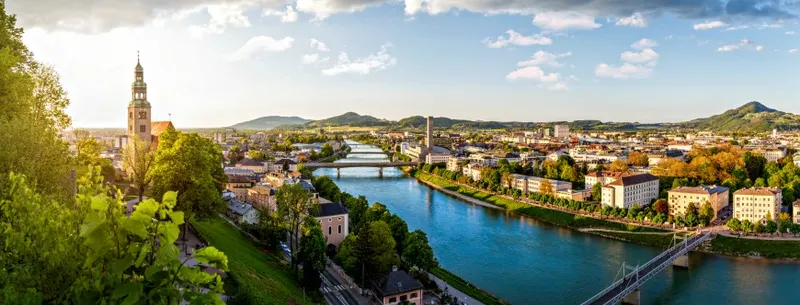
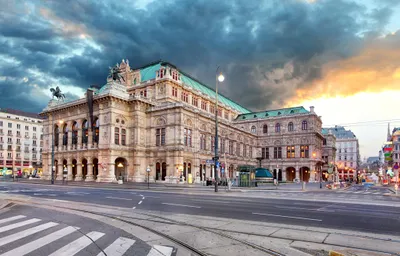
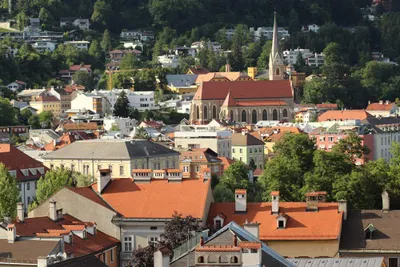
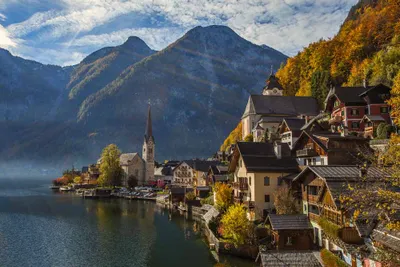
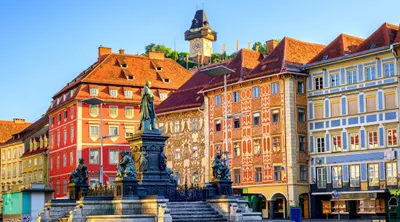
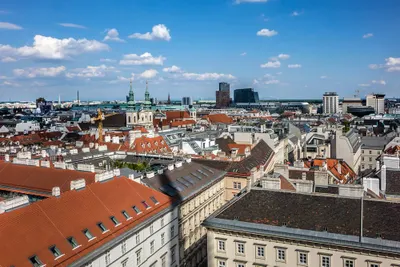
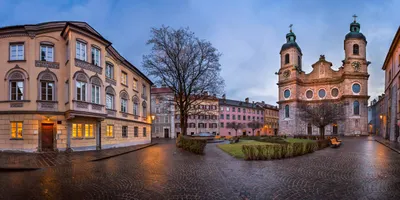
Austria boasts several must-see cities and landmarks. Vienna, the capital, is renowned for its imperial architecture and cultural sites like Schönbrunn Palace and the Vienna State Opera. Salzburg, the birthplace of Mozart, offers charming old town streets and the Hohensalzburg Fortress. Innsbruck is famous for its alpine scenery and the Golden Roof. Don't miss the breathtaking landscapes of the Salzkammergut region, including Hallstatt.
Austrian cuisine is hearty and delicious. Be sure to try Wiener Schnitzel, a breaded and fried veal or pork cutlet. Tafelspitz, boiled beef served with horseradish, is another classic dish. For dessert, indulge in Apfelstrudel (apple strudel) or Sachertorte, a rich chocolate cake. Pair your meals with local wines or a glass of Grüner Veltliner, a popular Austrian white wine.
Austria has an excellent public transportation system, making it easy to travel around the country. Trains are efficient and connect major cities and towns. Consider purchasing an ÖBB train pass for flexible travel. Buses are available for reaching more remote areas. Renting a car is an option for exploring the countryside at your own pace, but be aware of parking restrictions in cities.
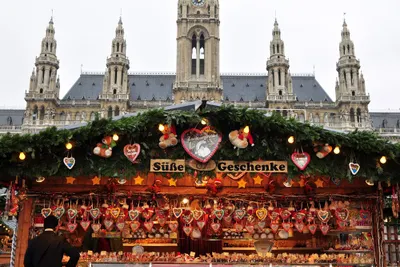
Austria hosts numerous cultural events and festivals throughout the year. The Vienna Opera Ball in February is a glamorous event attracting visitors worldwide. In Salzburg, the Salzburg Festival in July and August celebrates classical music and opera. The Christmas markets, particularly in Vienna and Salzburg, are magical experiences during the holiday season, offering local crafts, food, and festive cheer.