
Details for Brazil




















































U.S. travelers visiting Brazil need a valid passport with at least six months remaining before expiration. As of October 2023, U.S. citizens do not require a visa for tourism stays of up to 90 days. However, it's essential to check with the Brazilian consulate or embassy for the most current entry requirements before traveling.
The currency used in Brazil is the Brazilian Real (BRL). Credit cards are widely accepted in major cities and tourist areas, including hotels, restaurants, and shops. However, in more remote areas, cash may be necessary. It's advisable to carry some local currency for small purchases and to inform your bank of your travel plans to avoid any issues with card transactions.
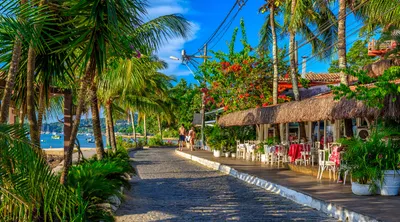
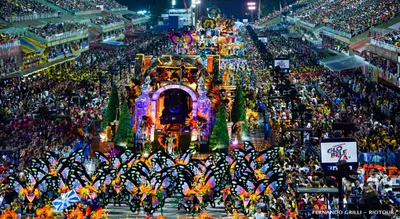
The best time to visit Brazil depends on your destination within the country. Generally, December to March is ideal for beach destinations like Rio de Janeiro, while June to September is perfect for exploring the Amazon or the Pantanal due to drier conditions. For cultural events, consider visiting during Carnival, which takes place in February or March.
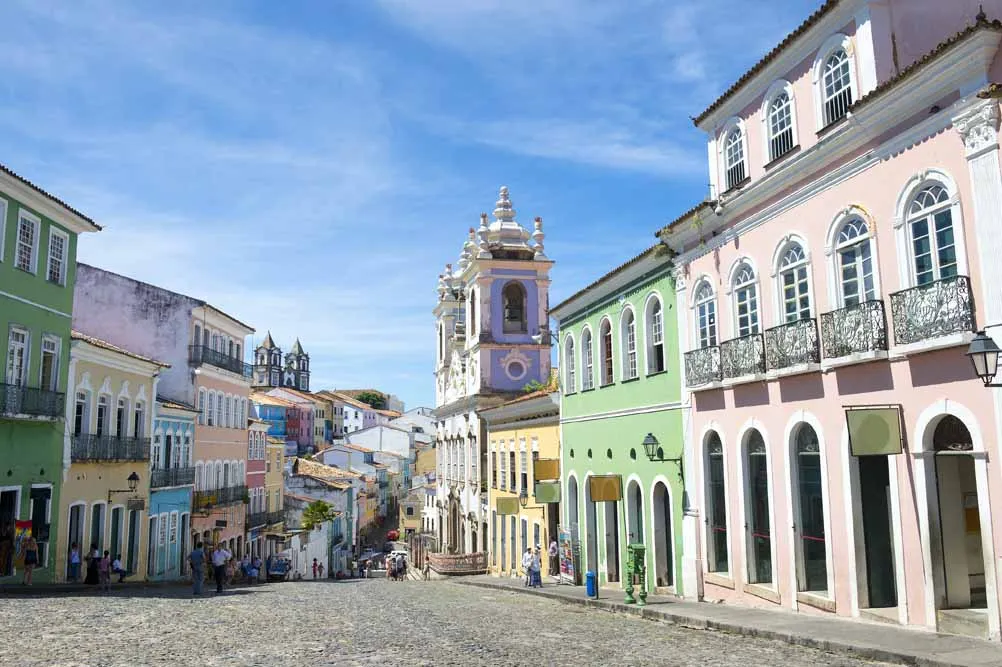
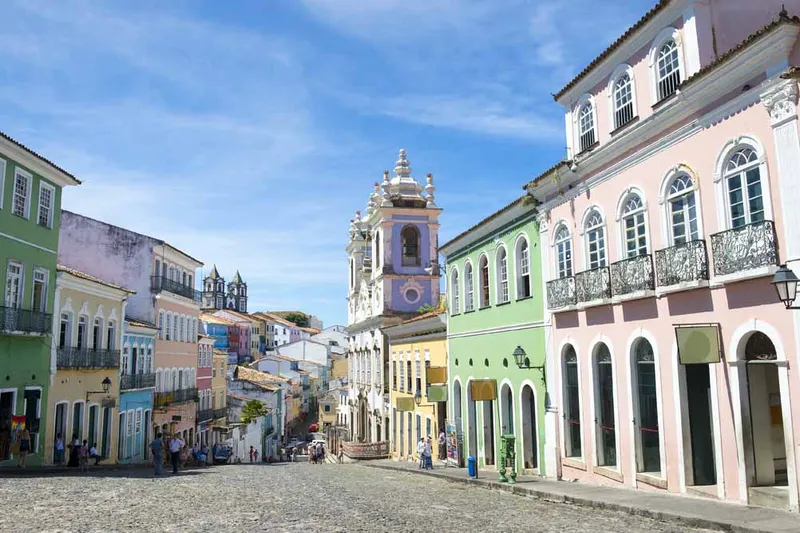
Brazil offers a diverse range of attractions, including: - Christ the Redeemer and Sugarloaf Mountain in Rio de Janeiro - The Amazon Rainforest and River - Iguazu Falls on the border with Argentina - The historic city of Salvador - The Pantanal for wildlife viewing Each region provides unique experiences, so plan your itinerary based on your interests.
Traveling within Brazil can be done by air, bus, or car. Domestic flights are the fastest way to cover long distances between major cities. Buses are a cost-effective option for shorter routes and offer a chance to see the countryside. Renting a car is possible but may not be advisable in congested cities. For urban travel, taxis and ride-sharing apps are convenient.
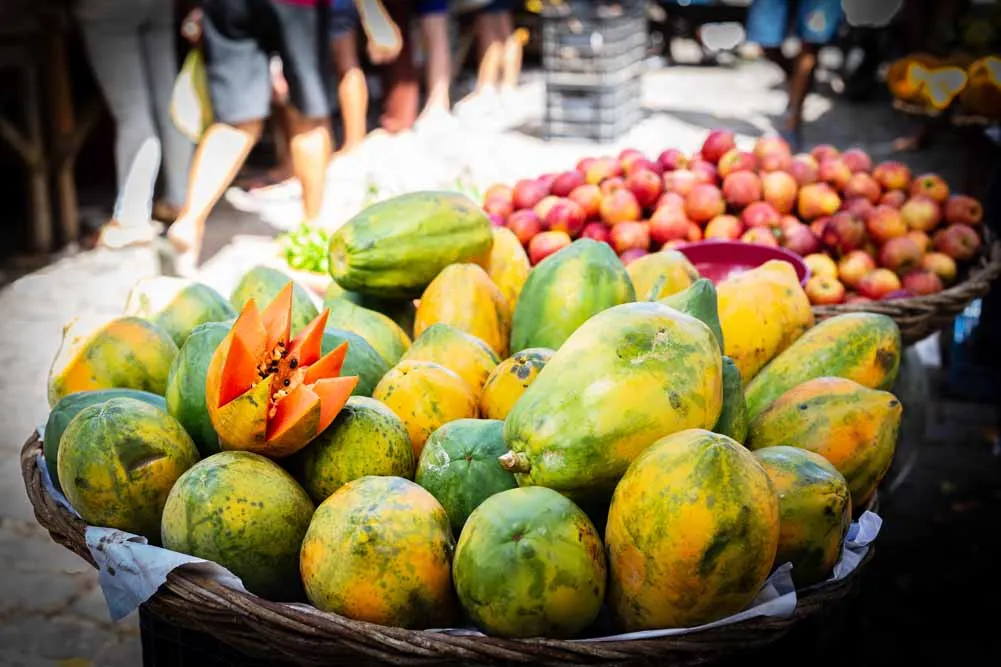
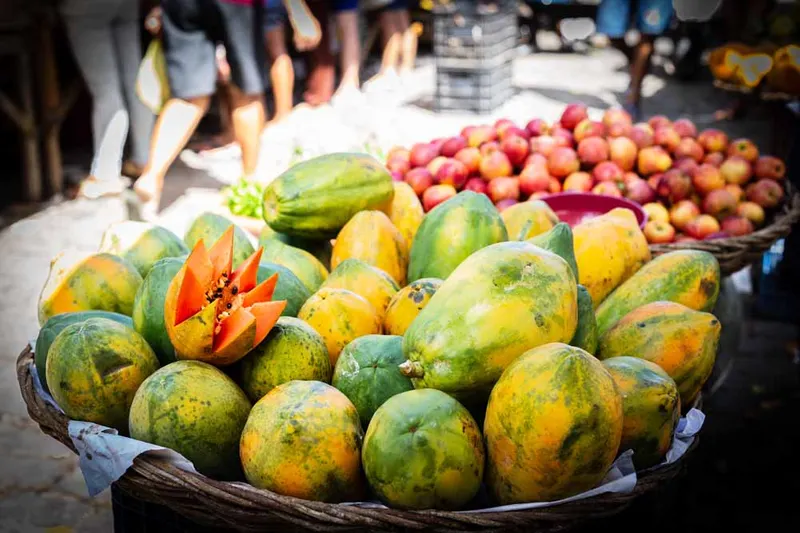
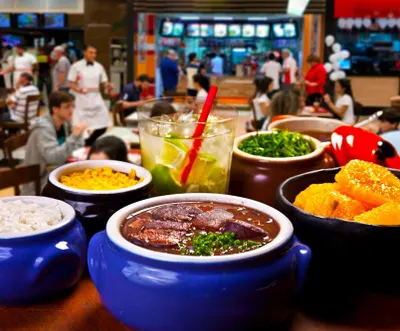
Brazilian cuisine is diverse and flavorful. Be sure to try: - Feijoada: A hearty black bean stew with pork - Pão de queijo: Cheese bread - Moqueca: A fish stew with coconut milk - Açaí: A berry-based dish often served as a smoothie bowl - Churrasco: Brazilian barbecue These dishes reflect the country's rich culinary heritage and regional variations.
In Brazil, personal interactions are warm and friendly. Greetings often involve a kiss on the cheek or a handshake. Punctuality is more relaxed than in the U.S., so don't be surprised if events start a bit late. Dress codes vary, but casual attire is common in most settings. When dining, it's customary to share food and enjoy long meals with conversation.