Details for Croatia

U.S. citizens can enter Croatia for up to 90 days within a 180-day period without a visa. A valid passport is required, and it must be valid for at least three months beyond your planned departure date from Croatia. Always check the latest entry requirements with the Croatian Embassy or Consulate before your trip.
The currency used in Croatia is the Croatian Kuna (HRK). Credit cards are widely accepted in most hotels, restaurants, and shops, especially in larger cities and tourist areas. However, it's advisable to carry some cash for smaller establishments or in rural areas where card payments may not be accepted.
The best time to visit Croatia is during the shoulder seasons of late spring (May to June) and early fall (September to October). During these months, the weather is typically warm and sunny, perfect for exploring the coastline and islands, and there are fewer tourists compared to the peak summer months.
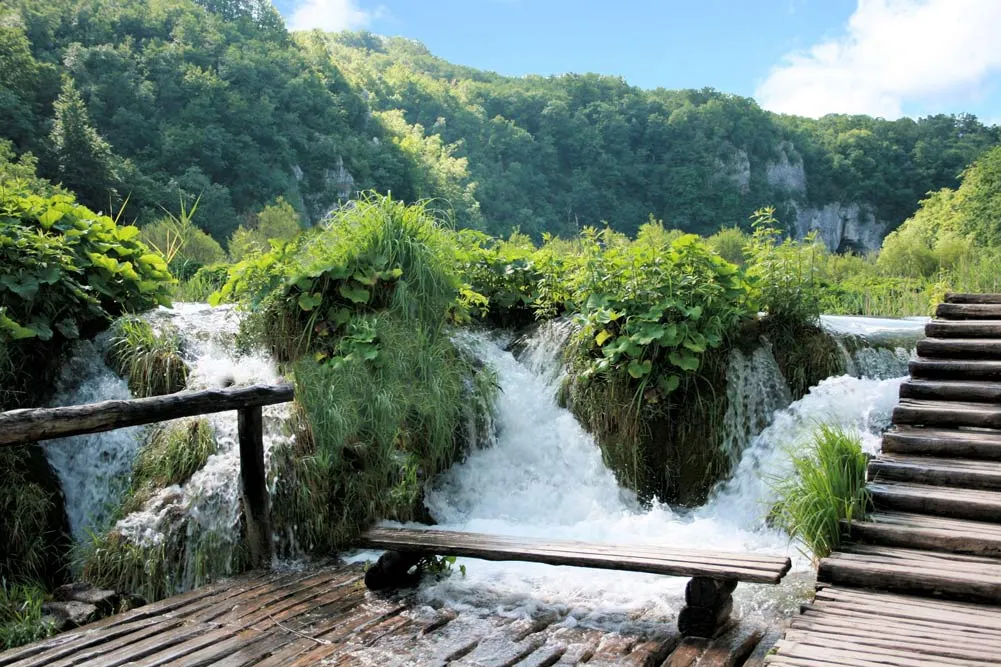
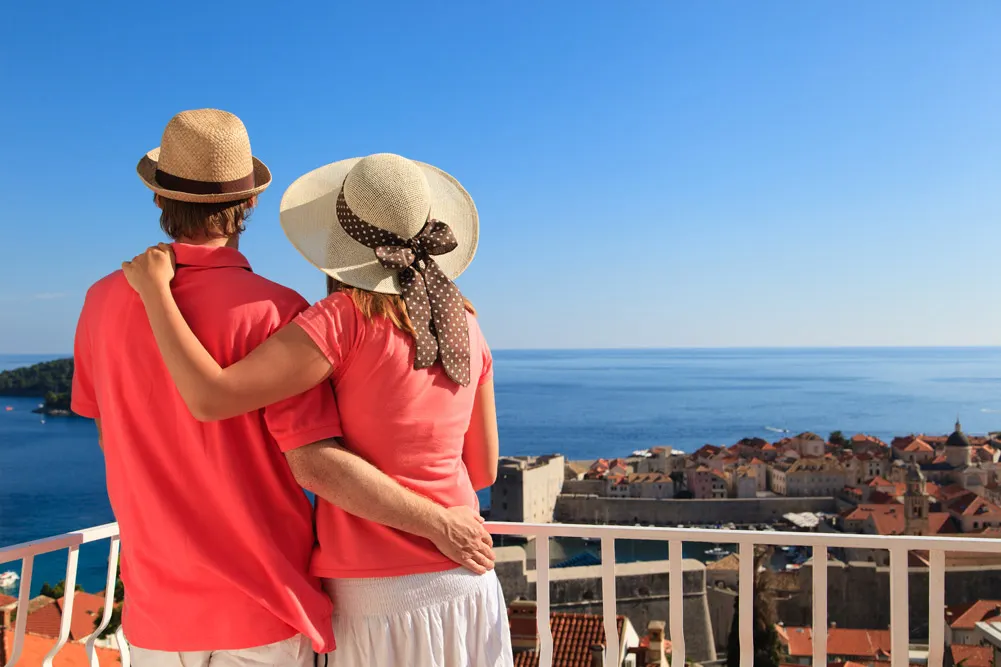
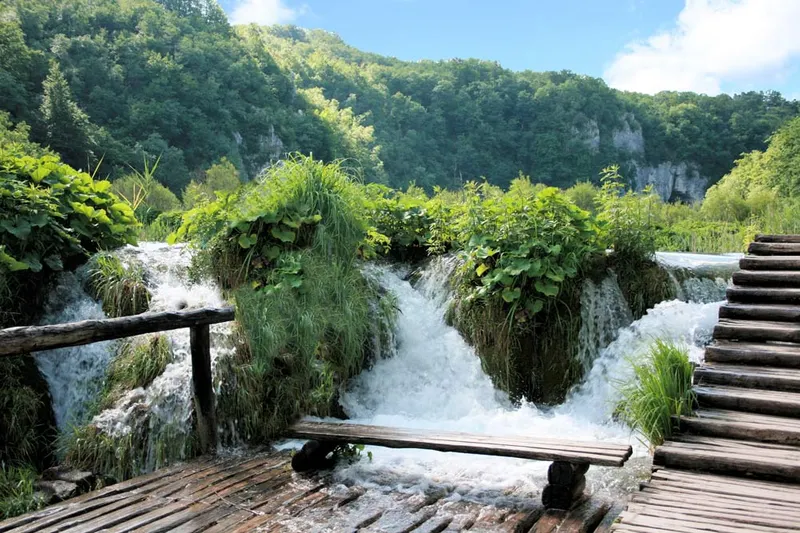
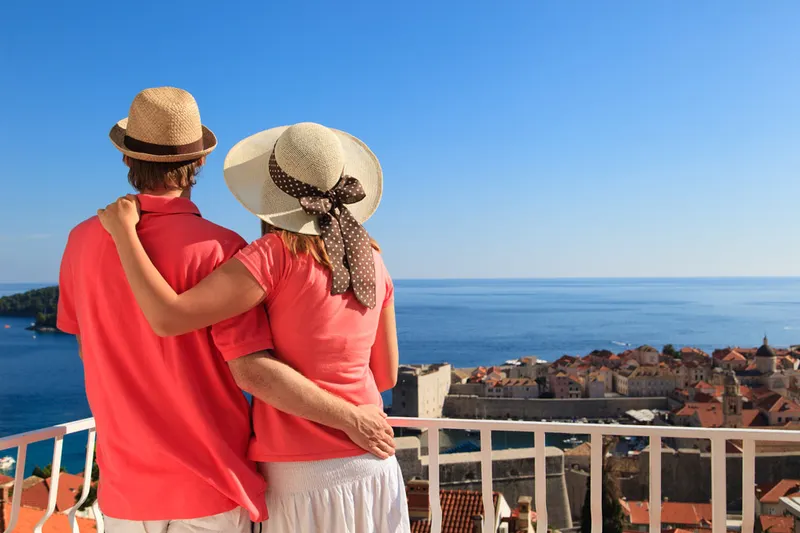
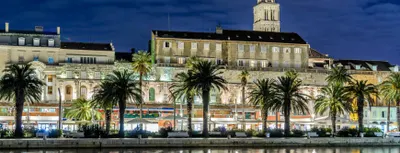
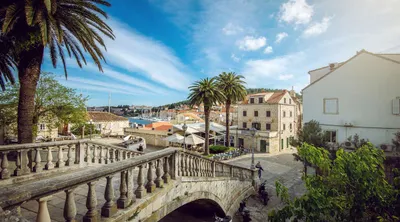
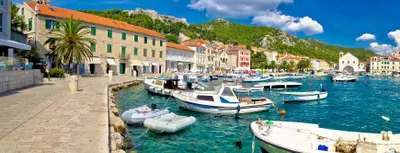
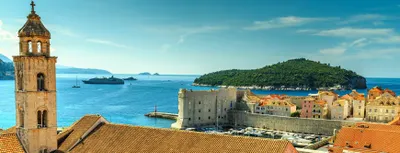
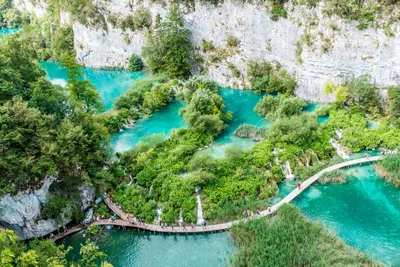
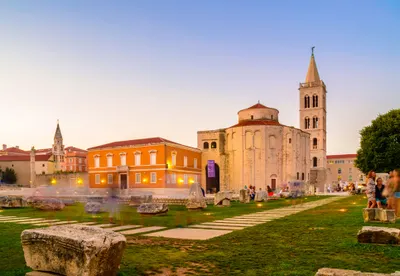
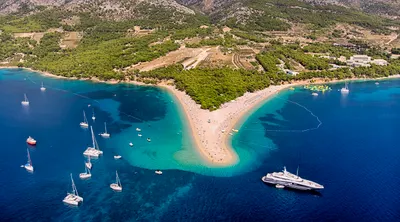
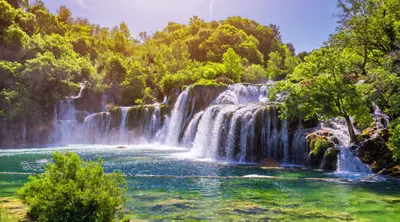
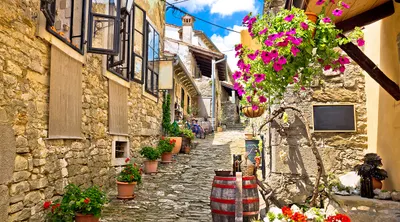
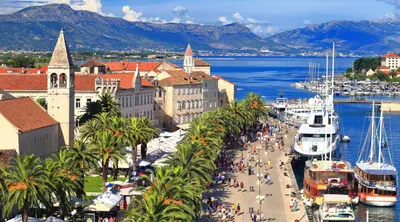
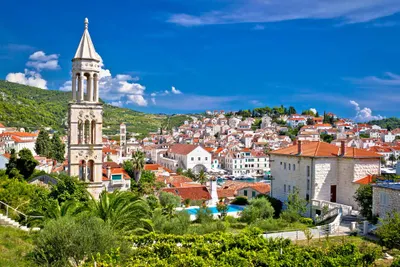
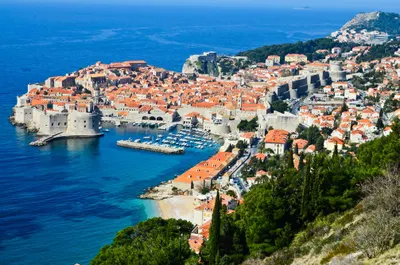
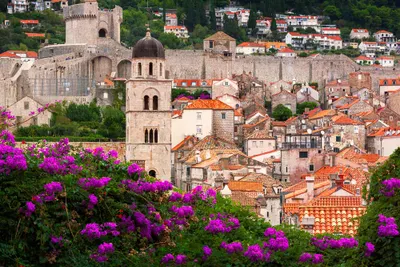
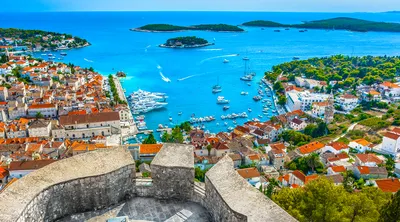
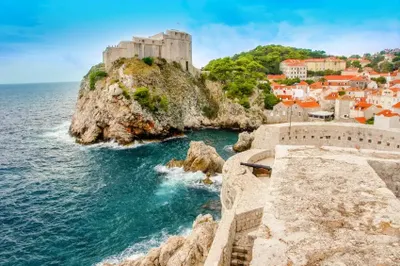
Croatia boasts several must-see destinations, including the historic city of Dubrovnik, known for its medieval walls and stunning views of the Adriatic Sea. Plitvice Lakes National Park offers breathtaking waterfalls and lush landscapes. The coastal city of Split, with its Roman architecture, and the charming island of Hvar are also highly recommended.
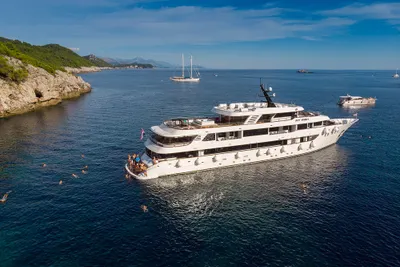
Traveling around Croatia is convenient with a combination of buses, ferries, and car rentals. The bus network is extensive and connects most cities and towns. Ferries are ideal for island hopping along the Dalmatian coast. Renting a car gives you the flexibility to explore less accessible areas at your own pace.
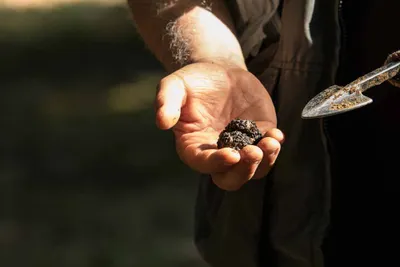
Croatian cuisine is diverse and regional. In Dalmatia, try 'pašticada', a slow-cooked beef dish, and 'black risotto', made with cuttlefish. On the Istrian peninsula, sample 'fuži', a type of pasta, and 'truffles'. Coastal areas offer fresh seafood, while inland regions feature hearty meat dishes like 'peka', cooked under a bell-shaped lid.
Croatia hosts numerous cultural events and festivals throughout the year. The Dubrovnik Summer Festival, held from July to August, features music, theater, and dance performances. The Split Summer Festival offers similar cultural experiences. For a unique event, consider the Sinjska Alka, a traditional knight's tournament held in Sinj every August.