
Details for Dominican Republic










U.S. citizens traveling to the Dominican Republic need a valid passport with at least one blank page for entry and exit stamps. No visa is required for stays up to 30 days, but travelers must purchase a tourist card, which is typically included in the airfare. It’s advisable to check with the Dominican Republic's consulate or official government sources for the latest entry requirements before departure.
The currency used in the Dominican Republic is the Dominican Peso (DOP). U.S. dollars are also accepted in many tourist areas. Credit cards are widely accepted, especially in hotels, restaurants, and shops in major cities and tourist destinations. However, it's a good idea to carry some cash for smaller establishments or rural areas where card machines may not be available.
The best time to visit the Dominican Republic is during the dry season, from December to April, when the weather is warm and less humid. This period is ideal for beach activities and exploring the island’s natural beauty. However, it is also the peak tourist season, so expect larger crowds and higher prices. The shoulder months of May and November offer a balance of good weather and fewer tourists.
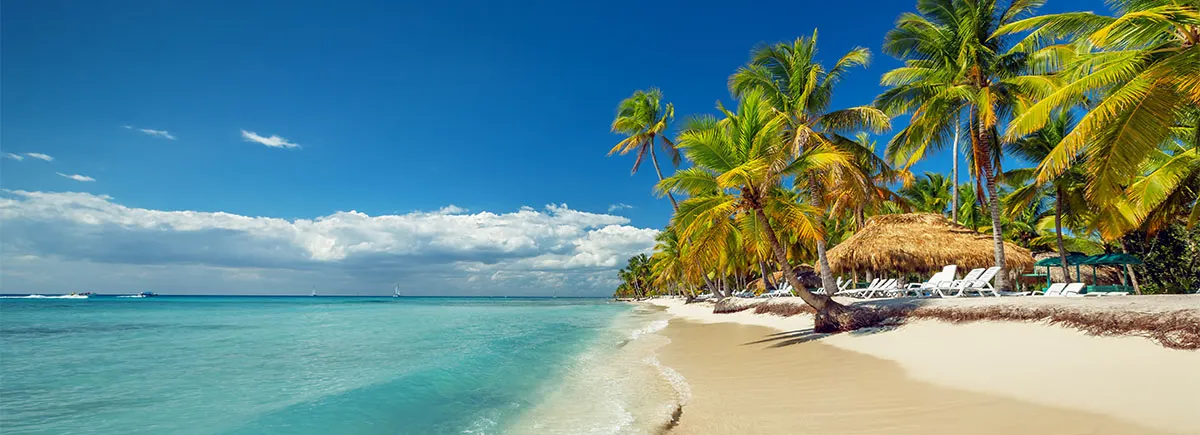
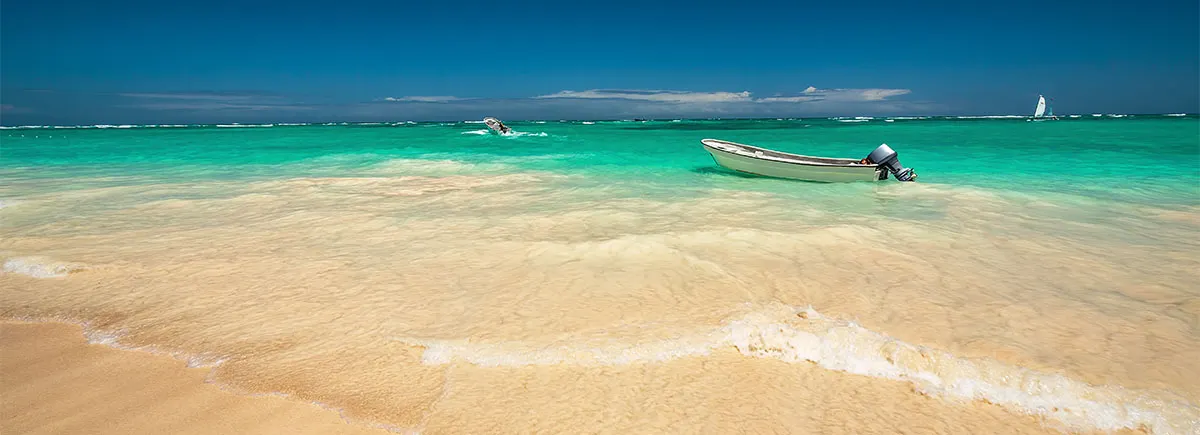
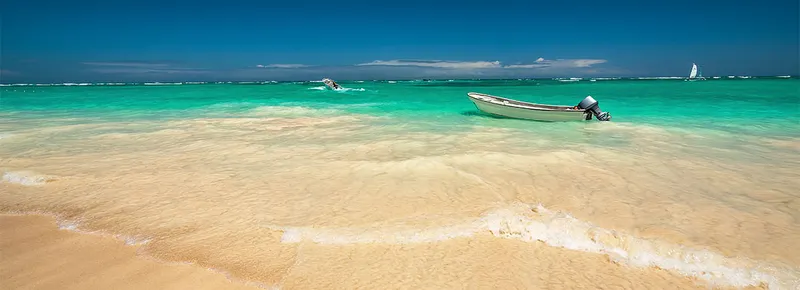
The Dominican Republic offers a variety of attractions, including the historic Zona Colonial in Santo Domingo, a UNESCO World Heritage site. Punta Cana is famous for its beautiful beaches and resorts. Nature lovers should visit Los Haitises National Park and the stunning Samaná Peninsula, known for its whale-watching opportunities. The 27 Waterfalls of Damajagua near Puerto Plata provide an adventurous day of hiking and swimming.
In the Dominican Republic, be sure to try traditional dishes like "La Bandera," which consists of rice, beans, and meat. "Mangu," a breakfast dish made from mashed plantains, is also popular. For a sweet treat, try "Dulce de Leche" or "Habichuelas con Dulce," a unique dessert made with sweetened beans. Fresh seafood is abundant, especially in coastal areas, and is often prepared with local spices and flavors.
The Dominican Republic is generally safe for tourists, especially in popular tourist areas. However, it's important to exercise common sense and take precautions, such as avoiding isolated areas at night and keeping valuables secure. Petty crime, like pickpocketing, can occur, so remain vigilant in crowded places. It's also advisable to use reputable transportation services and stay informed about local conditions.
The Dominican Republic is known for its vibrant festivals, with Carnival being one of the most celebrated events, held in February across the country. Santo Domingo hosts the Merengue Festival in July, showcasing the country’s traditional music and dance. Semana Santa, or Holy Week, is another significant event, marked by religious processions and celebrations. These festivals offer a unique insight into the Dominican culture and its lively spirit.