
Details for France
















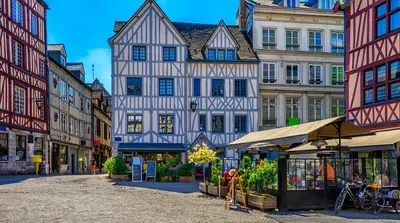
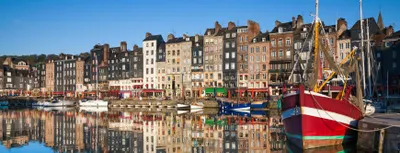
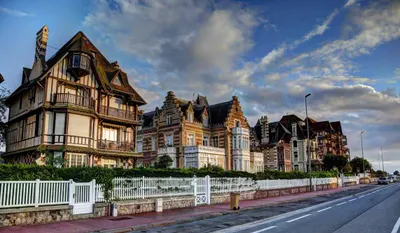

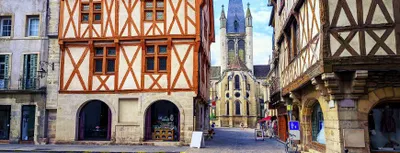
























U.S. citizens can enter France for tourism or business stays of up to 90 days within a 180-day period without a visa. However, a valid passport is required, and it must be valid for at least three months beyond your planned departure date from the Schengen area. Ensure you have at least one blank page for entry stamps. Always check the latest entry requirements with the French consulate or embassy before your trip, as regulations can change.
France uses the Euro (€) as its currency. Credit cards, particularly Visa and MasterCard, are widely accepted in cities and tourist areas, though some smaller businesses and rural locations may prefer cash. It's advisable to carry some euros for small purchases or when visiting local markets. ATMs are readily available for withdrawing cash, but check with your bank regarding international fees.
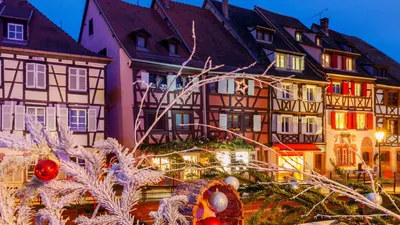
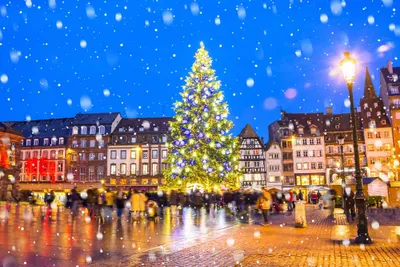
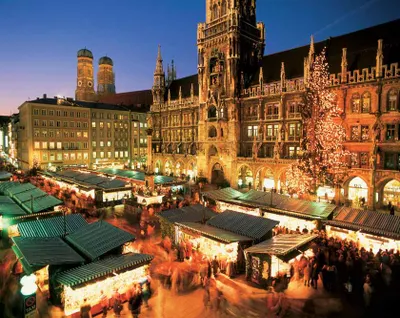
The best time to visit France depends on your interests. Spring (April to June) and fall (September to October) offer mild weather and fewer crowds, ideal for sightseeing and exploring cities. Summer (July and August) is popular for beach vacations and festivals but can be crowded and hot. Winter (December to February) is perfect for skiing in the Alps or enjoying festive holiday markets.
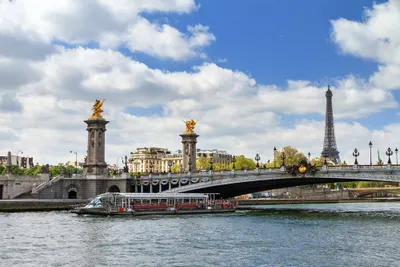
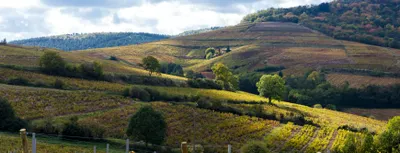
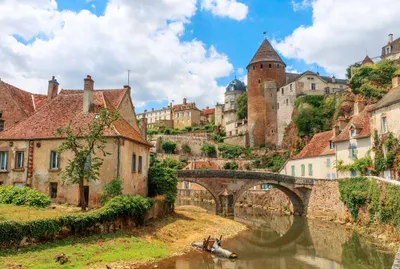
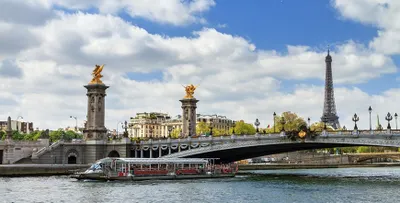
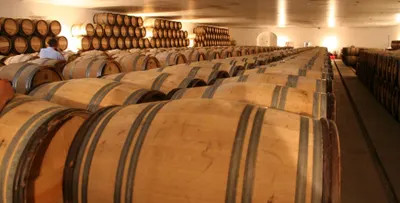
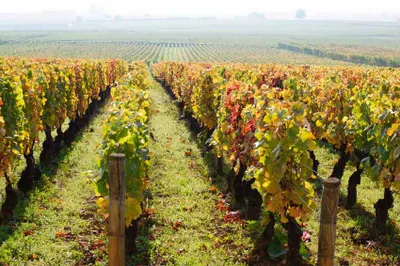
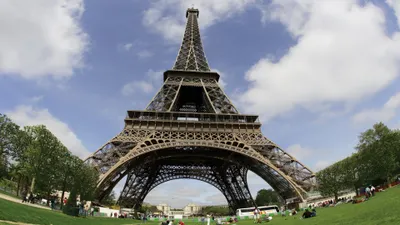
France is rich with iconic landmarks and experiences. In Paris, don't miss the Eiffel Tower, Louvre Museum, and Notre-Dame Cathedral. Explore the stunning Palace of Versailles, the picturesque villages of Provence, and the wine regions of Bordeaux and Champagne. The historic sites of Normandy and the lavender fields of Provence are also highly recommended. Each region offers unique cultural and culinary experiences.
France has an excellent transportation network, making it easy to travel between cities. The high-speed TGV trains connect major cities like Paris, Lyon, and Marseille efficiently. For regional travel, consider renting a car to explore the countryside at your own pace. Public transportation, including buses and metro systems, is reliable in cities. Domestic flights are also available for longer distances.
French cuisine is renowned worldwide. Be sure to try classic dishes like coq au vin (chicken braised with wine), boeuf bourguignon (beef stew), and ratatouille (vegetable stew). Don't miss regional specialties like bouillabaisse (fish stew) in Marseille, quiche Lorraine in Lorraine, and crepes in Brittany. Indulge in French pastries such as croissants, éclairs, and macarons, and enjoy local cheeses and wines.
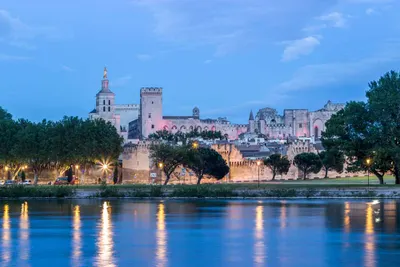
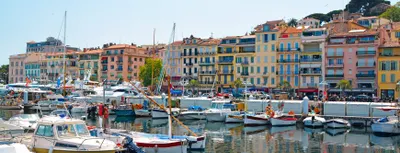
France hosts numerous cultural events and festivals throughout the year. The Cannes Film Festival in May is a prestigious event in the film industry. The Tour de France, held in July, is an iconic cycling race. Bastille Day on July 14th is celebrated with fireworks and parades nationwide. Other notable events include the Nice Carnival in February and the Avignon Theatre Festival in July.