
Details for Israel
















U.S. citizens traveling to Israel need a passport valid for at least six months from the date of entry. Tourist visas are not required for stays up to 90 days. However, travelers should ensure they have a return or onward ticket and may be asked to provide proof of sufficient funds for their stay. Always check with the Israeli consulate or embassy for the most current entry requirements before traveling.
The currency used in Israel is the Israeli New Shekel (ILS). Credit cards, particularly Visa and MasterCard, are widely accepted in cities and tourist areas. However, it is advisable to carry some cash for smaller vendors, markets, or rural areas where card acceptance may be limited. ATMs are readily available for withdrawing local currency.
The best time to visit Israel is during the spring (April to May) and fall (September to October) when the weather is mild and pleasant. These seasons offer comfortable temperatures for exploring outdoor attractions and attending cultural events. Summers can be very hot, especially in inland areas like Jerusalem and the Dead Sea, while winters are cooler and wetter, particularly in the north.
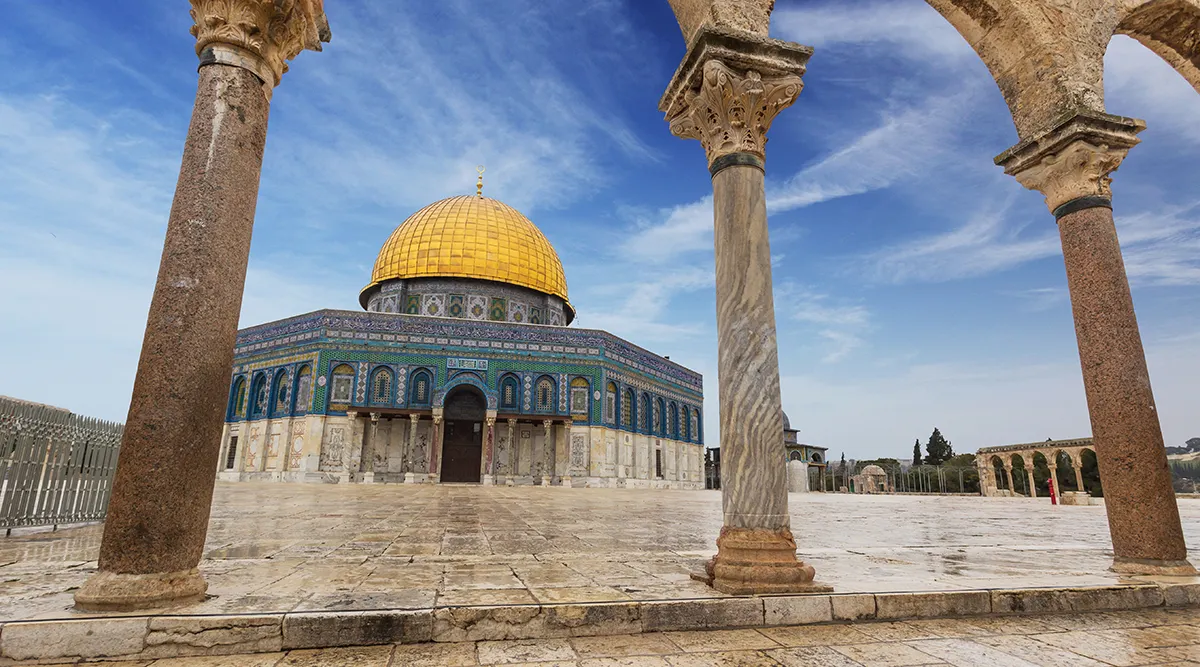
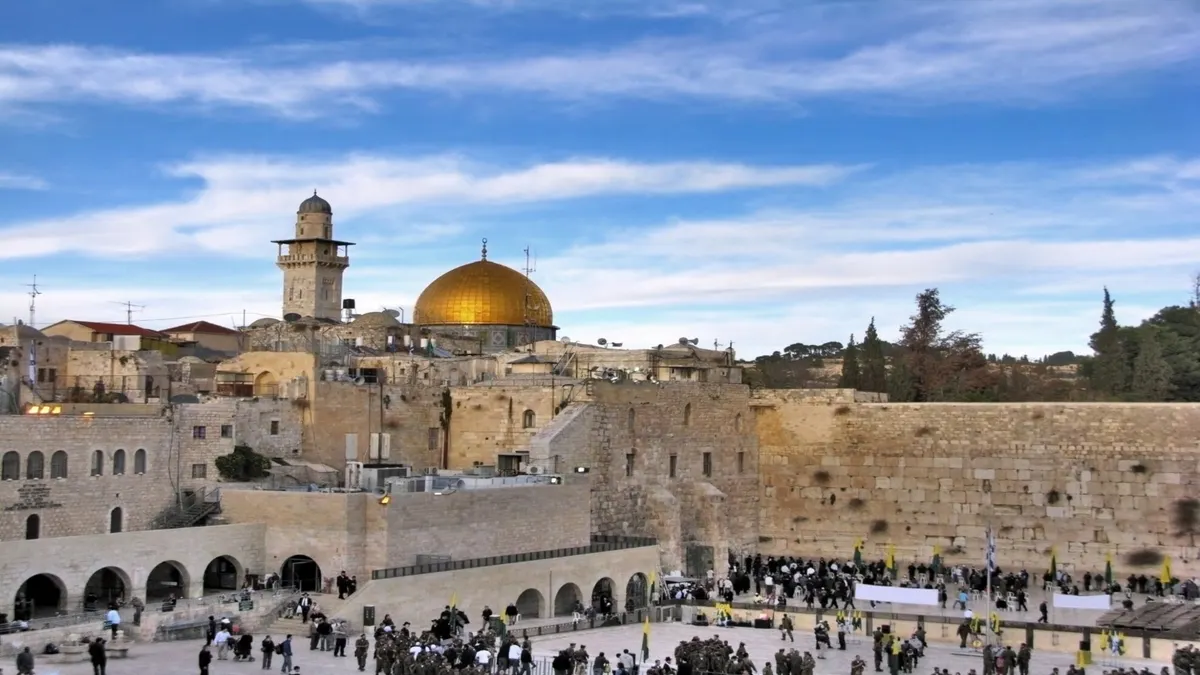
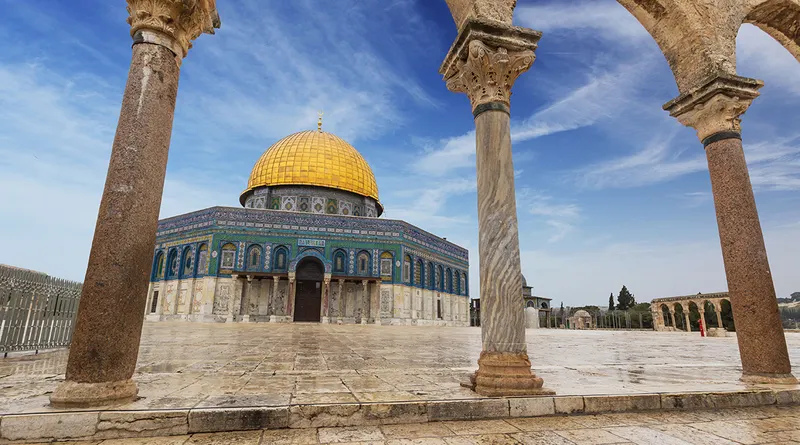
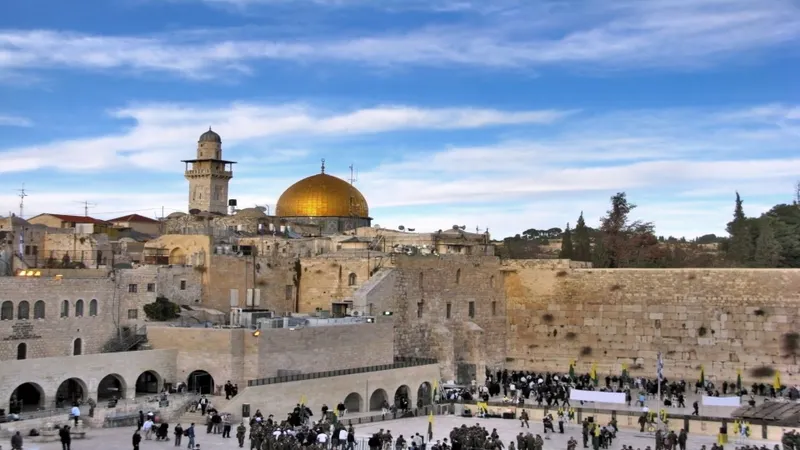
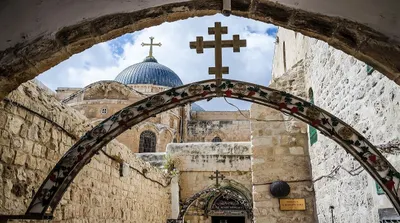
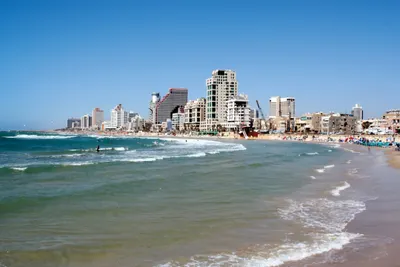
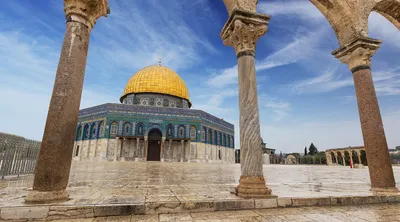
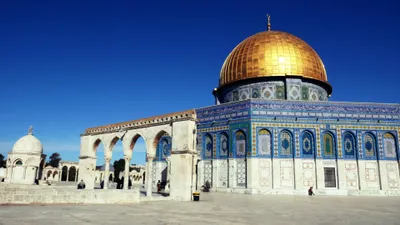
Israel is rich in historical and cultural landmarks. Must-see sites include the Western Wall and Dome of the Rock in Jerusalem, the ancient port city of Jaffa, the Bahá'í Gardens in Haifa, and the archaeological site of Masada. The Dead Sea, known for its buoyant waters and mineral-rich mud, is a unique natural experience. Additionally, exploring Tel Aviv's vibrant nightlife and culinary scene is highly recommended.
Israel has a well-developed transportation network. The train system is efficient for travel between major cities like Tel Aviv, Haifa, and Jerusalem. Buses are also a convenient and cost-effective option for reaching smaller towns and rural areas. Renting a car is ideal for exploring more remote destinations or for flexible travel schedules. Taxis and ride-sharing services like Gett are available in urban areas.
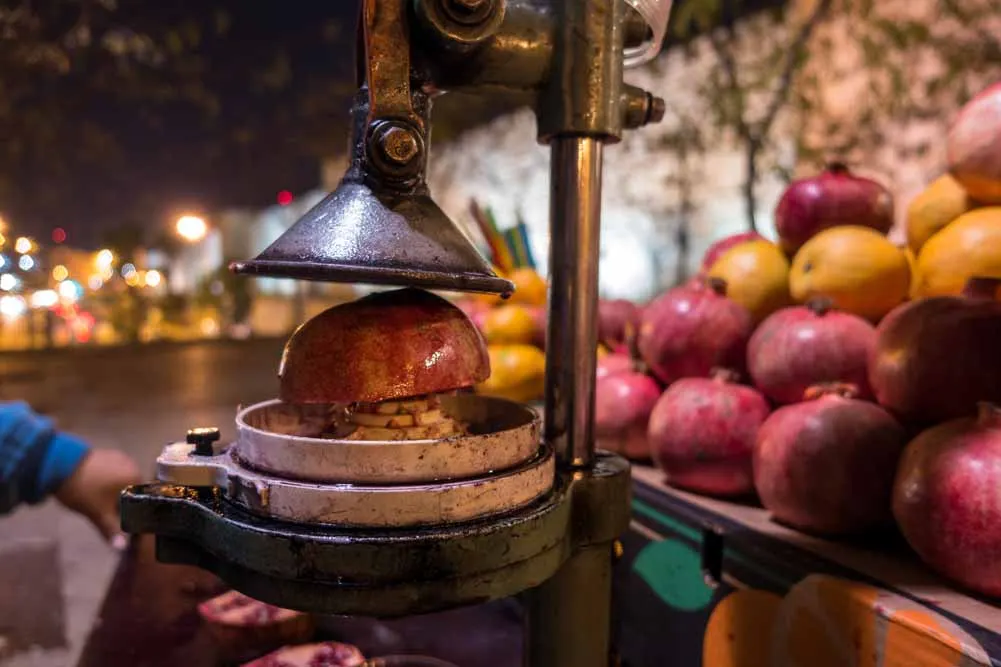
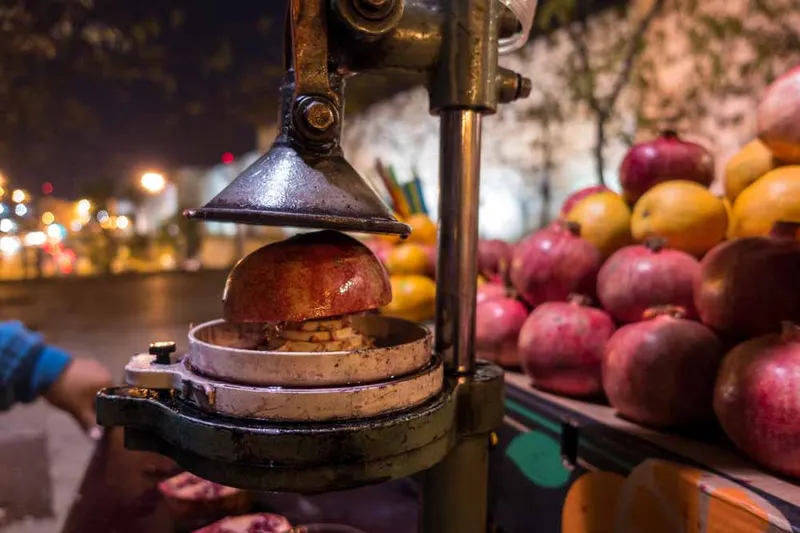
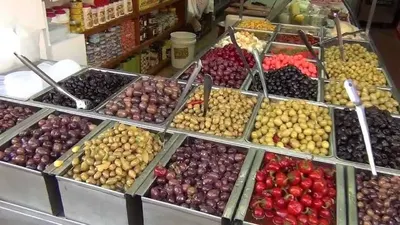
Israeli cuisine is a delightful blend of Middle Eastern and Mediterranean flavors. Must-try dishes include falafel (deep-fried chickpea balls), hummus (chickpea dip), shakshuka (poached eggs in spicy tomato sauce), and sabich (a pita sandwich with eggplant and egg). Don't miss out on trying local desserts like baklava and halva. Israel's vibrant food markets, such as Mahane Yehuda in Jerusalem, offer a great opportunity to sample these dishes.
Israel hosts numerous cultural events and festivals throughout the year. The Jerusalem Film Festival in July showcases international films in a historic setting. Tel Aviv Pride in June is one of the largest LGBTQ+ events in the Middle East. The Jewish holiday of Hanukkah, usually in December, features public menorah lightings and festive activities. Additionally, the Israel Festival in spring offers a diverse program of music, dance, and theater performances across the country.