
Details for Japan
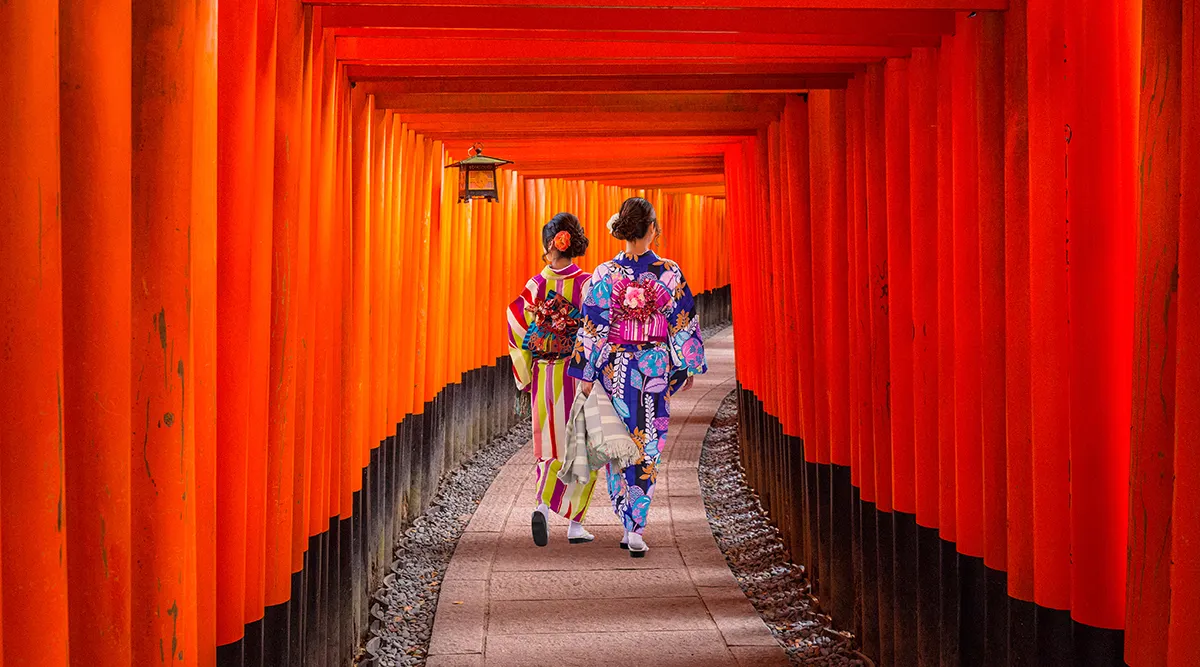
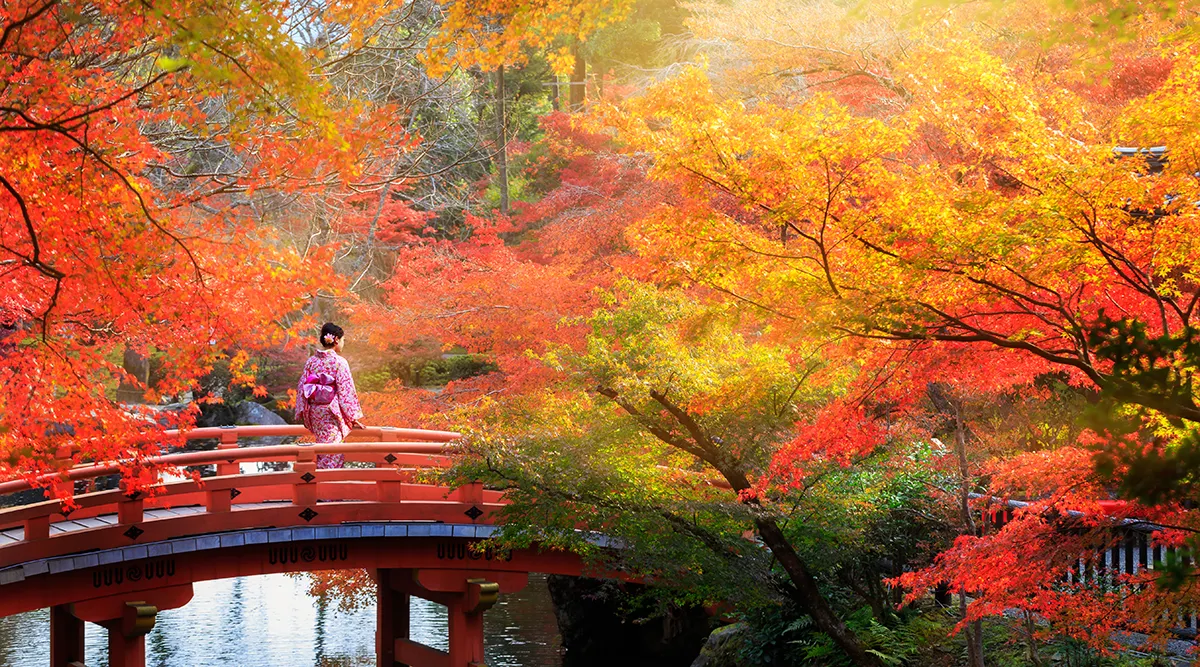

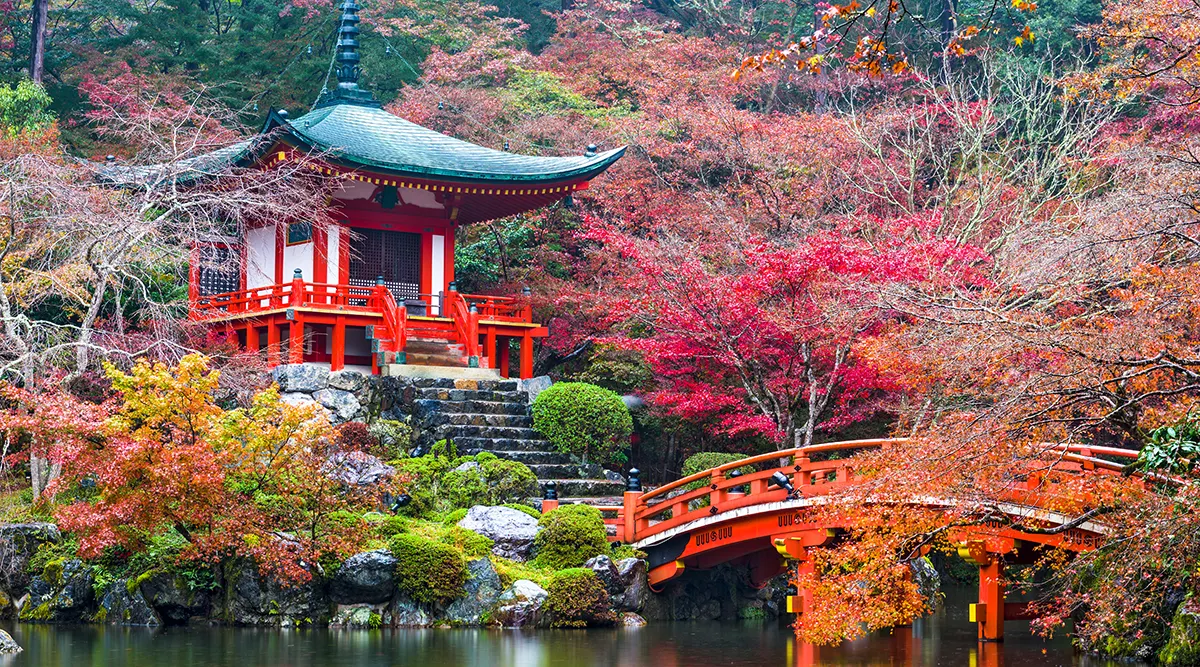
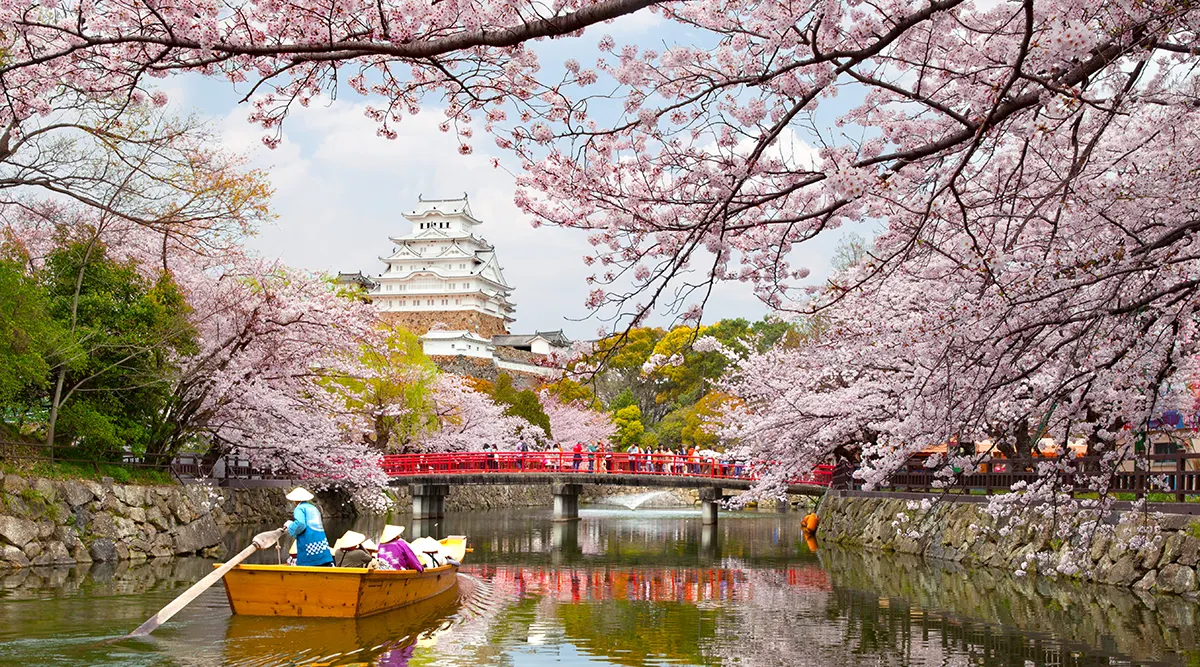
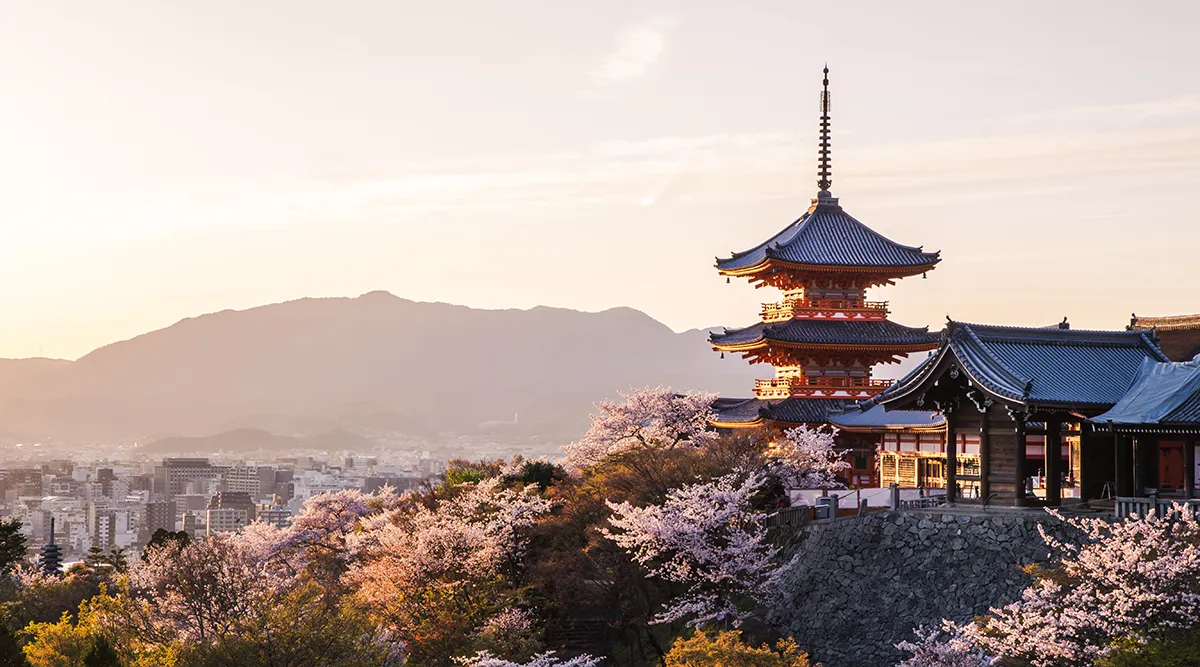
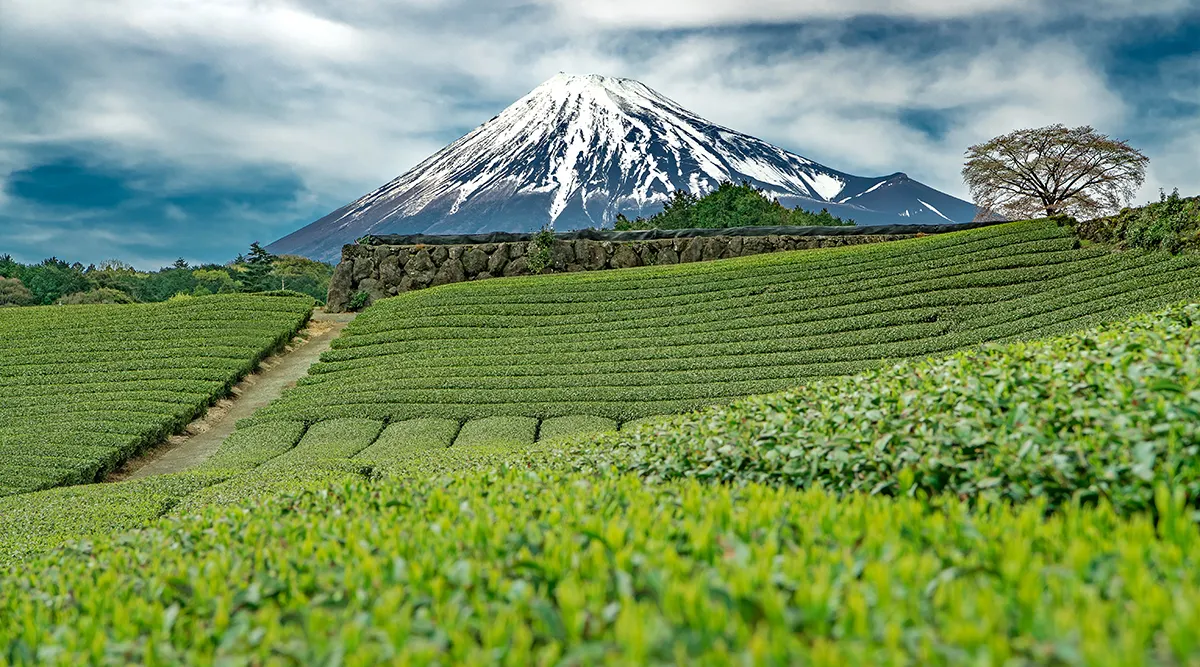
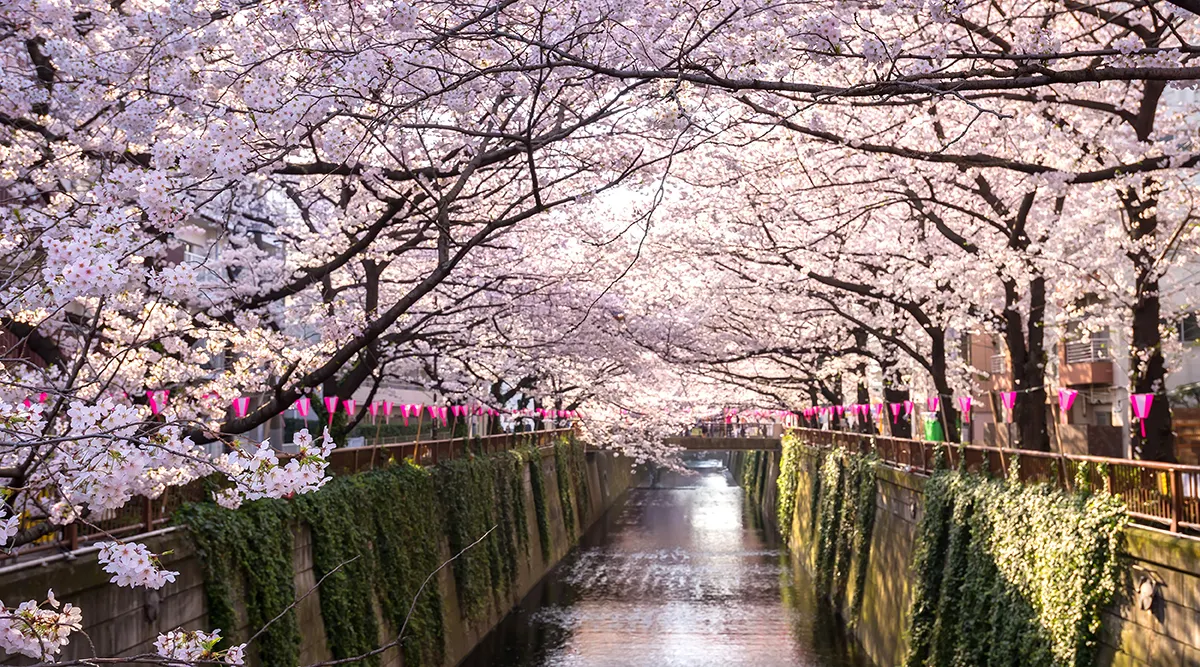

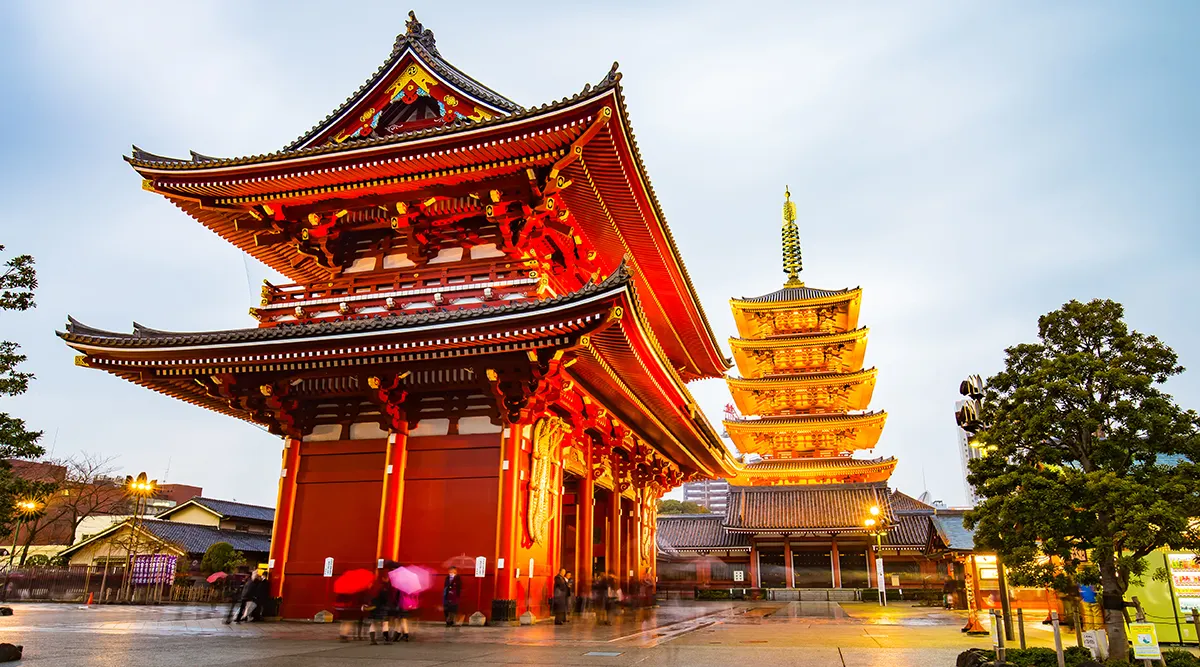




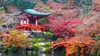
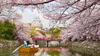


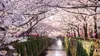

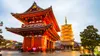

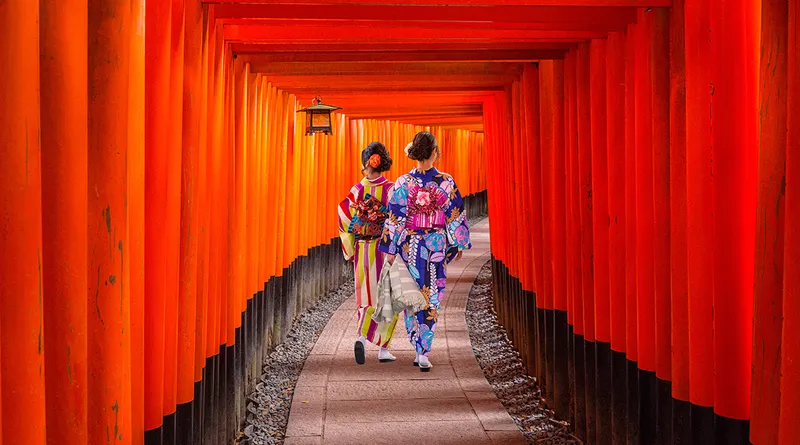
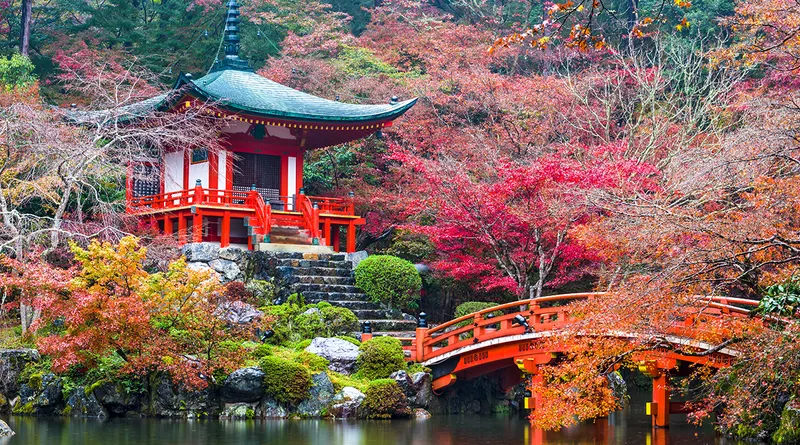
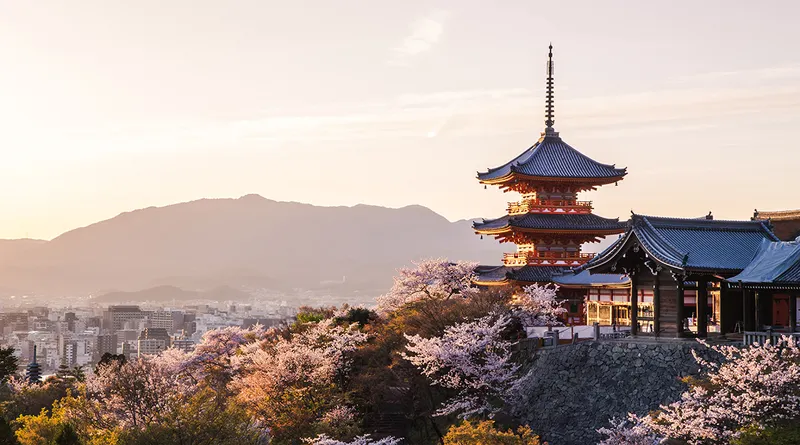
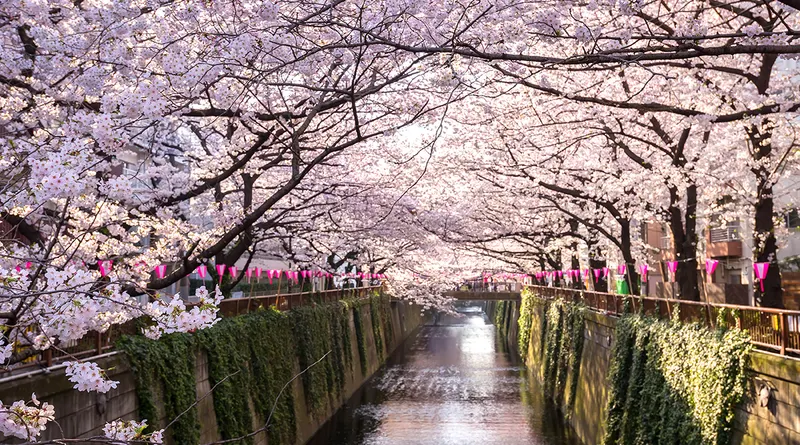
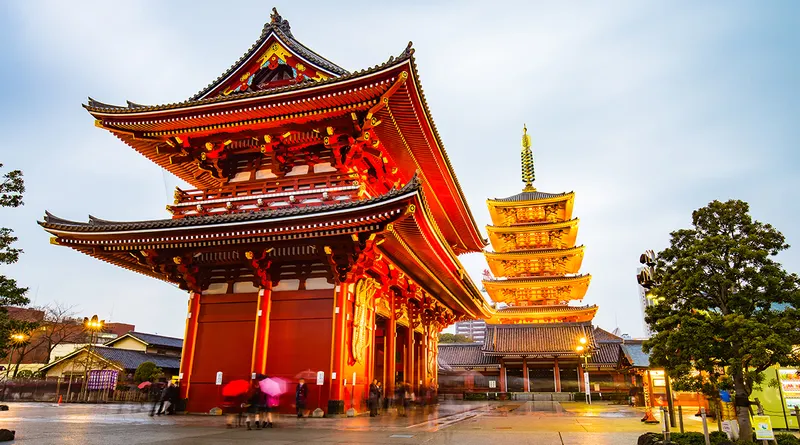
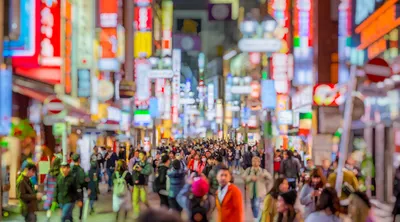
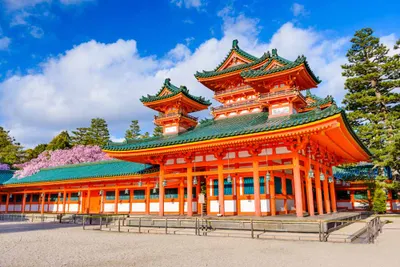
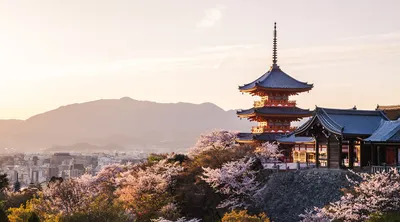
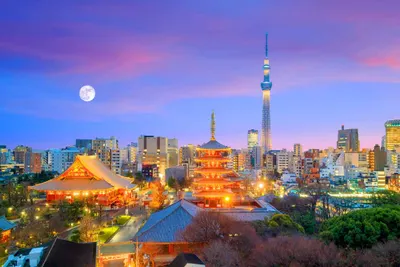
Cherry blossoms, sushi, pagodas, and temples collectively capture the essence of Japan, a country where the vibrant pulse of modern city life coexists with the serene beauty of its countryside. Here, neon-lit skyscrapers stand in harmony with ancient shrines, while bustling markets and quiet tea houses tell stories of a culture that has flourished for centuries. From the lively streets of Tokyo, where cutting-edge technology and traditional customs blend seamlessly, to the tranquil paths of Kyoto, where bamboo groves whisper secrets of the past, Japan offers a journey like no other.
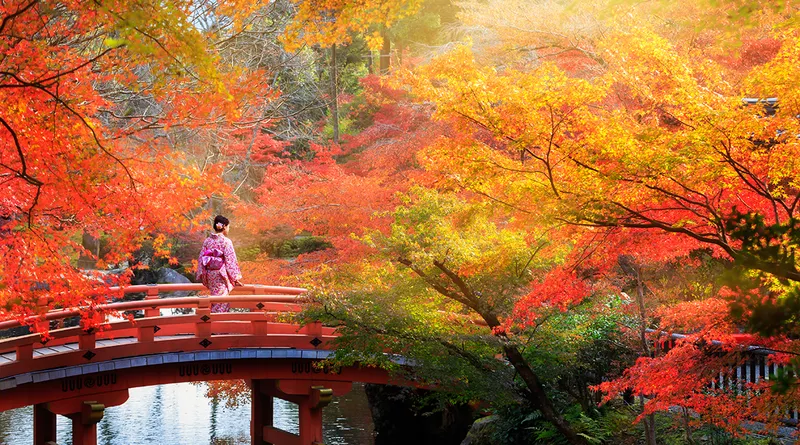
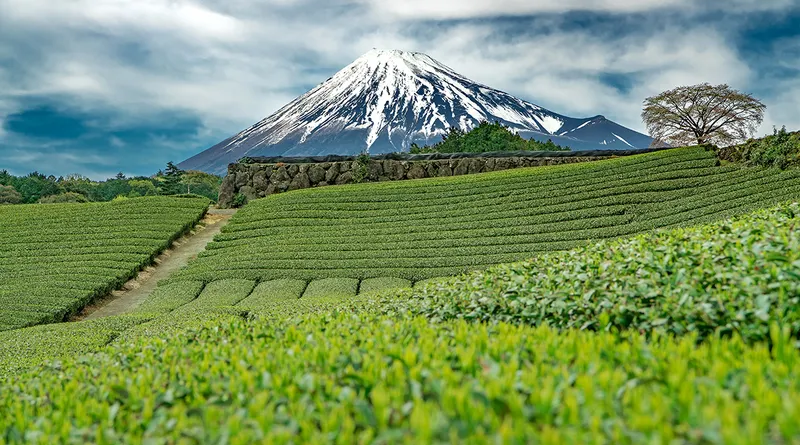
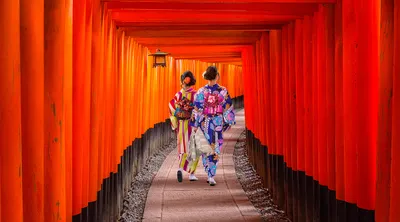
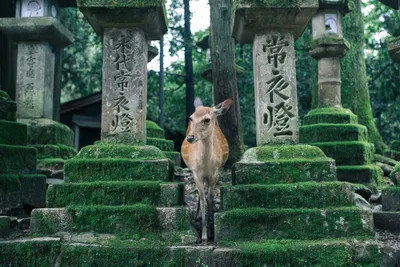
Japan's rich tapestry of history unfolds across its landscapes, with echoes of samurai and emperors, timeless festivals, and sacred rituals. Each region boasts its own unique character, from the snowy peaks of Hokkaido to the tropical islands of Okinawa. In the countryside, rice terraces stretch out like green quilts, fostering a sense of quiet reflection, while ancient temples and Shinto shrines stand as guardians of spiritual wisdom passed down through the ages.
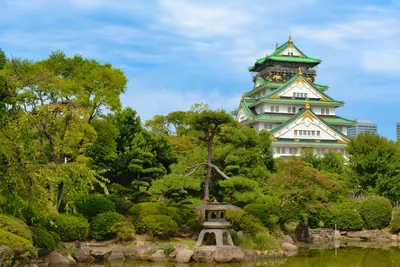
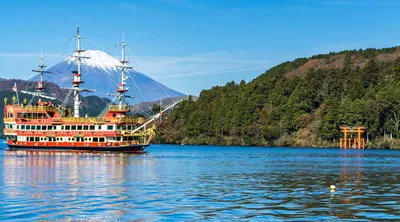
In this land of contrasts, you’ll find a society shaped by principles of respect, hard work, and spirituality. It’s a place where the meticulous artistry of a sushi chef is given the same reverence as the breathtaking beauty of cherry blossoms in full bloom. Whether you're navigating the bustling cityscape of Osaka or seeking solace amidst the towering peaks of Mount Fuji, Japan extends an invitation to explore its depths.
This is more than just a destination; it's a cultural odyssey where the past resonates within every step, tradition, and taste. Whether you’re exploring historic castles, immersing yourself in onsen hot springs, or tasting the delicate flavors of kaiseki cuisine, Japan captivates the heart and soul. With every experience, from the smallest village festival to the grandest temple, you’ll uncover layers of a timeless culture that continues to inspire the world.






U.S. travelers visiting Japan for tourism purposes typically do not need a visa for stays up to 90 days. However, a valid passport is required, and it must be valid for the duration of your stay. It's always a good idea to check with the Japanese consulate or embassy for the most current entry requirements before your trip.
The currency used in Japan is the Japanese Yen (JPY). While credit cards are accepted in many urban areas, especially in hotels, larger restaurants, and department stores, cash is still commonly used, particularly in rural areas and smaller establishments. It's advisable to carry some cash for convenience.
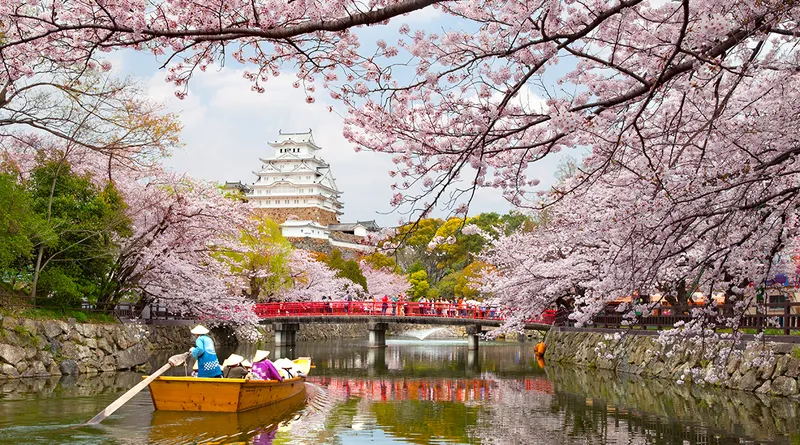
The best time to visit Japan for cherry blossoms, or sakura, is typically from late March to early April. However, the exact timing can vary depending on the region and weather conditions each year. Major cities like Tokyo and Kyoto usually see blossoms in full bloom around early April.
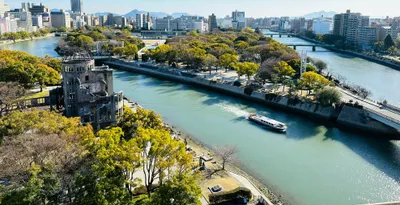
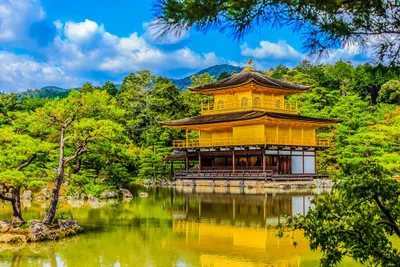
First-time visitors to Japan should consider exploring Tokyo for its vibrant city life, Kyoto for its historic temples and traditional culture, and Hiroshima for its poignant history. Additionally, visiting the iconic Mount Fuji and the beautiful island of Hokkaido can offer diverse experiences.
Traveling around Japan is efficient and convenient thanks to its extensive public transportation network. The Japan Rail Pass is highly recommended for tourists, allowing unlimited travel on most trains, including the Shinkansen (bullet trains), for a set period. Local buses and subways are also reliable options for city travel.
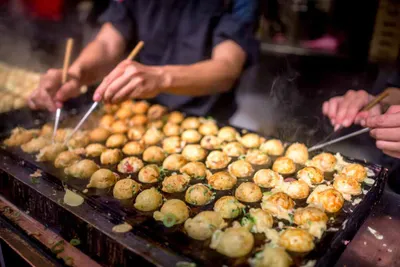
While in Japan, be sure to try sushi and sashimi for fresh seafood, ramen for a hearty noodle soup, and tempura for lightly battered and fried seafood or vegetables. Don't miss out on regional specialties like Osaka's takoyaki (octopus balls) and Hiroshima's okonomiyaki (savory pancakes).
In Japan, it's important to be mindful of cultural customs such as bowing as a greeting, removing shoes before entering homes or certain establishments, and being quiet on public transportation. Tipping is not customary, and politeness is highly valued in all interactions.