Details for Nepal
U.S. travelers need a valid passport and a visa to enter Nepal. Visas can be obtained on arrival at Tribhuvan International Airport in Kathmandu or at land border crossings. It's advisable to carry passport-sized photos and cash for the visa fee. For the most current entry requirements, travelers should consult the Embassy of Nepal or official government sources before their trip.
The currency used in Nepal is the Nepalese Rupee (NPR). Credit cards are accepted in major hotels, restaurants, and shops in cities like Kathmandu and Pokhara, but cash is preferred in rural areas. ATMs are available in urban centers, but it's wise to carry some local currency when traveling to remote regions.
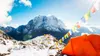
The best time to visit Nepal is during the spring (March to May) and autumn (September to November) seasons. These months offer clear skies, moderate temperatures, and ideal trekking conditions. The monsoon season (June to August) brings heavy rains, while winter (December to February) can be quite cold, especially in the mountains.
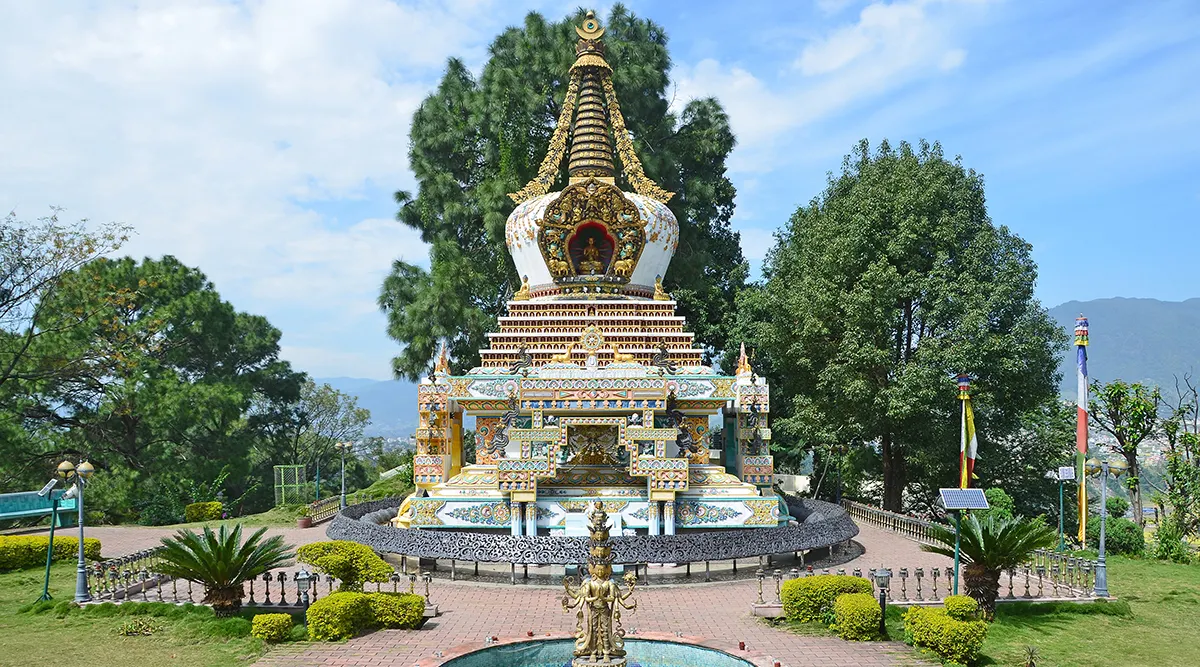
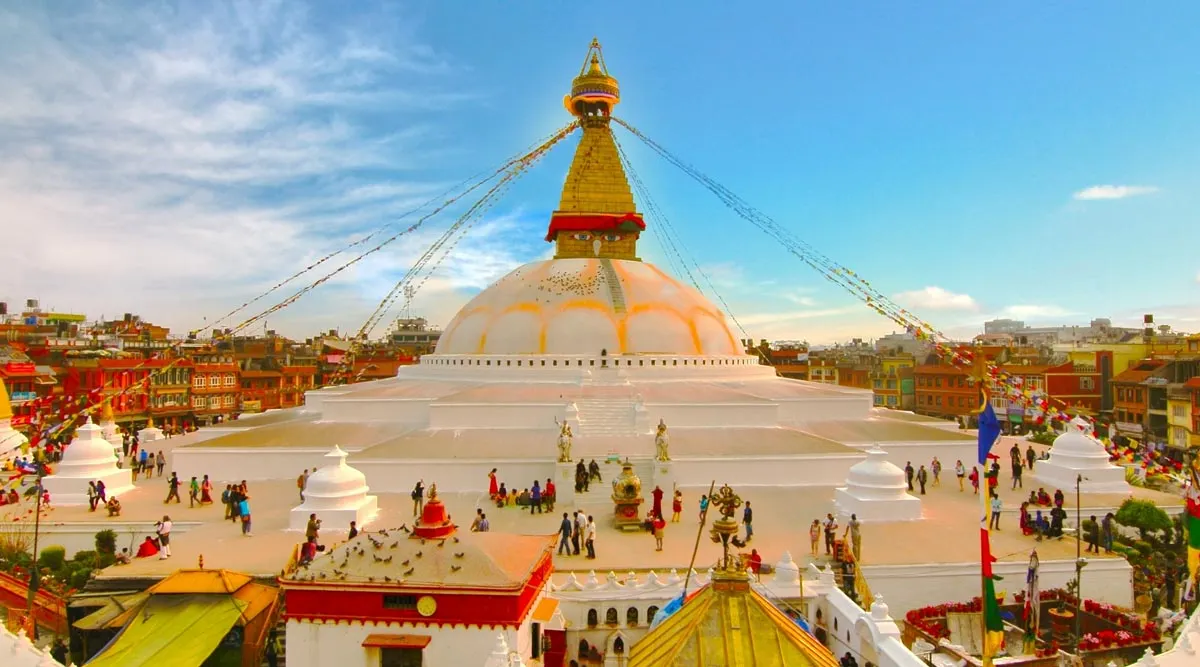
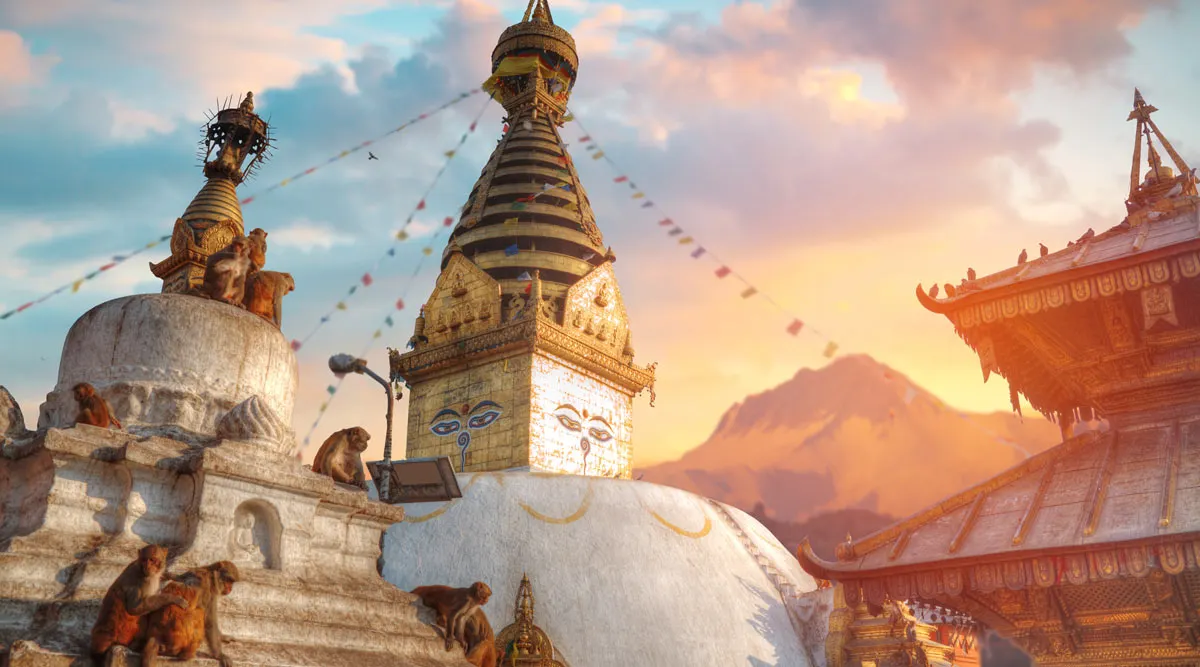
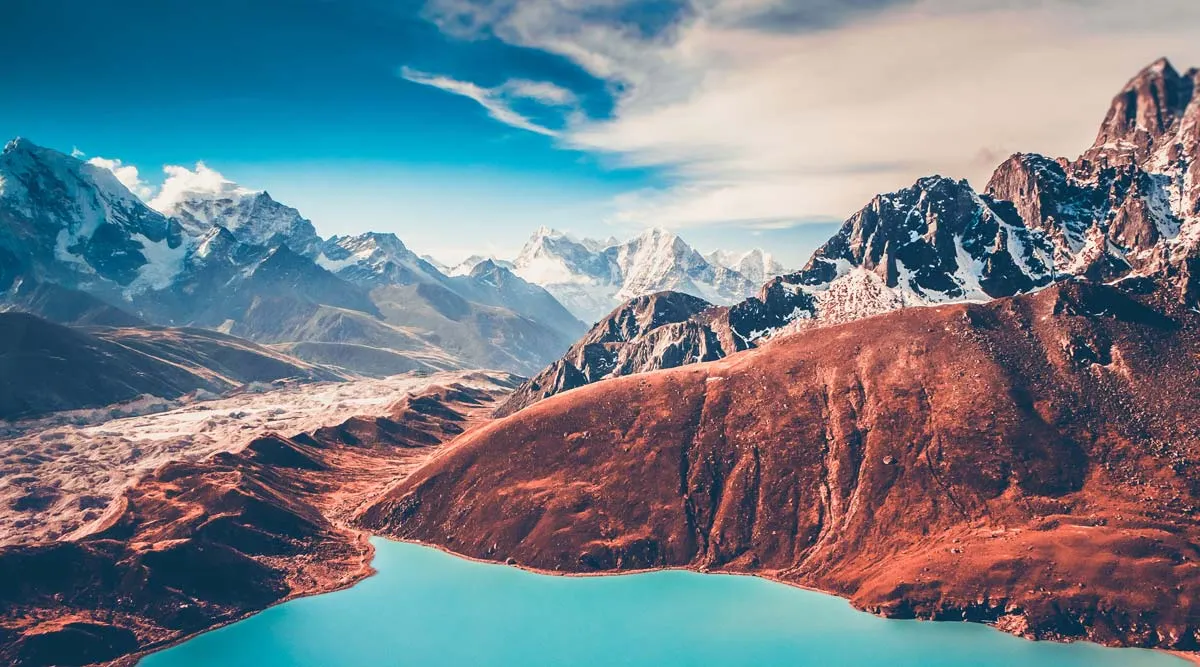
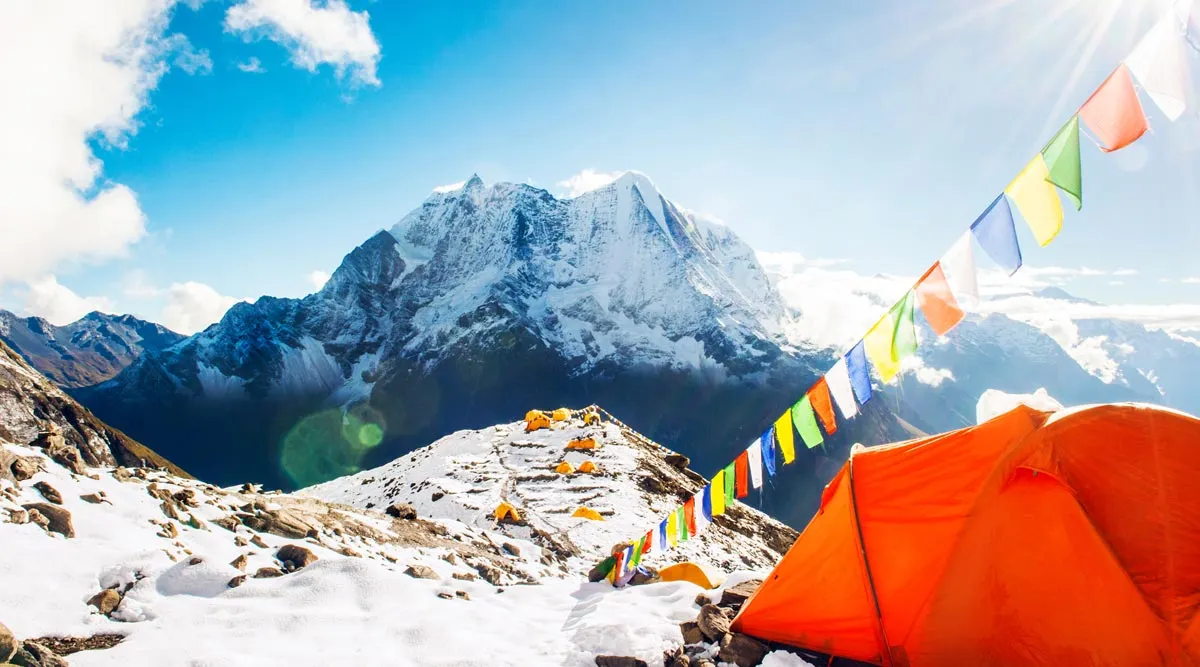
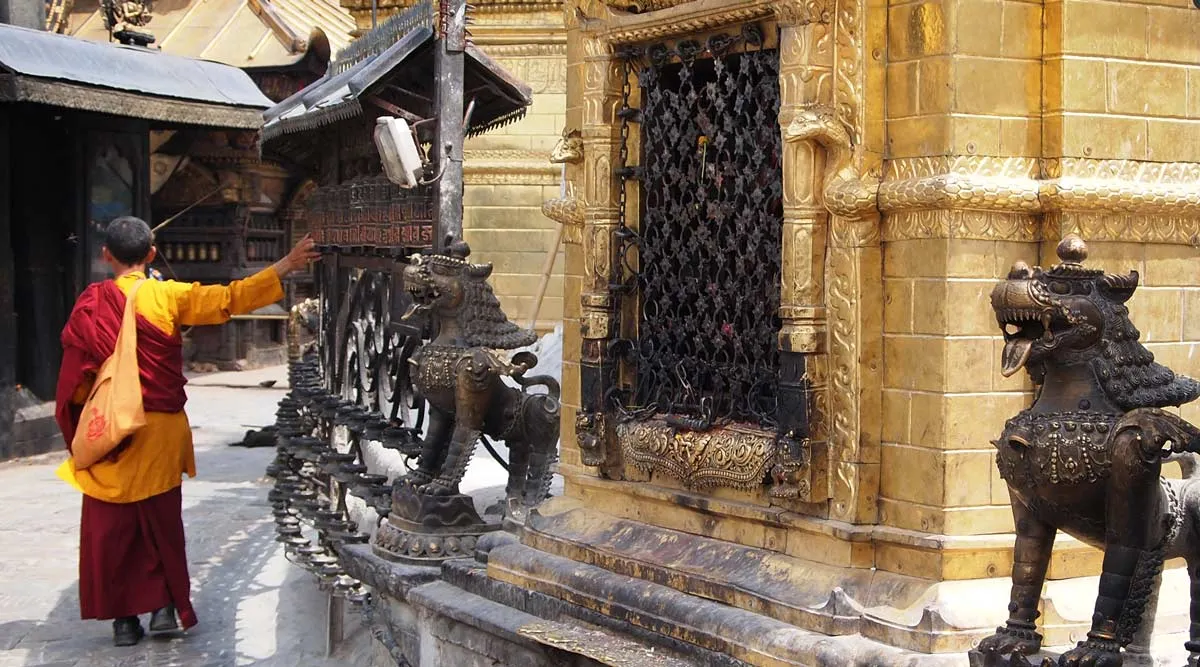
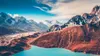
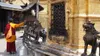
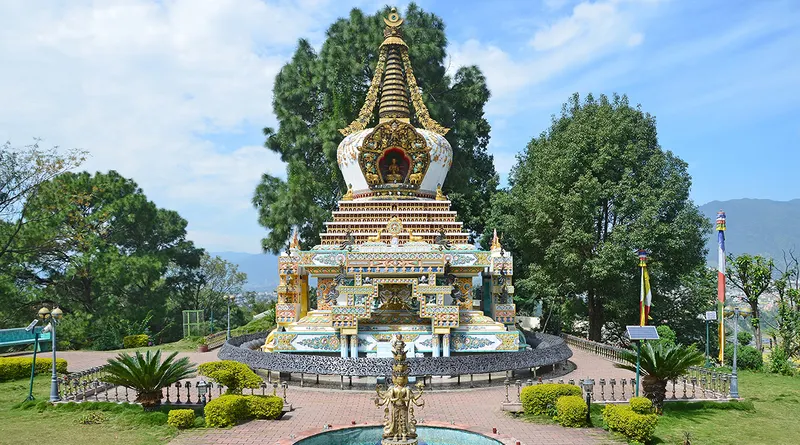
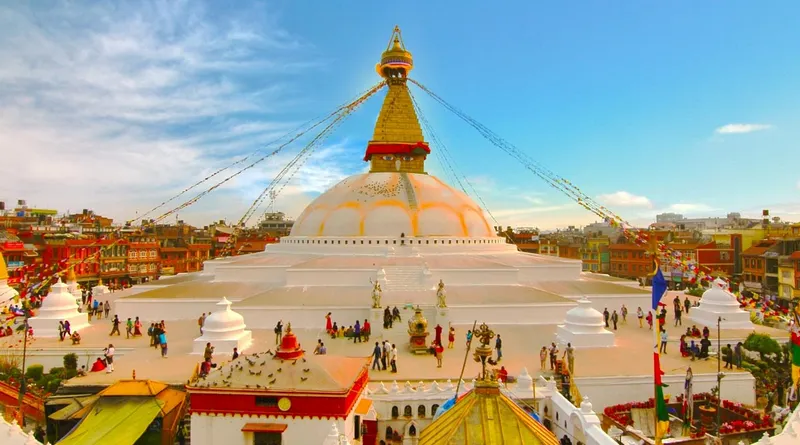
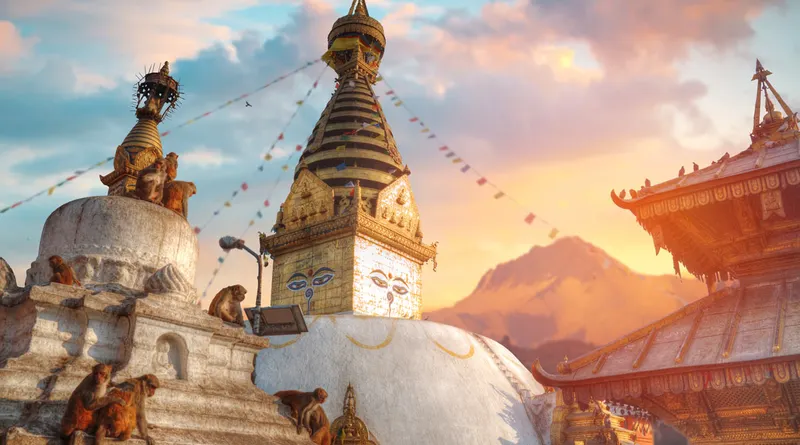
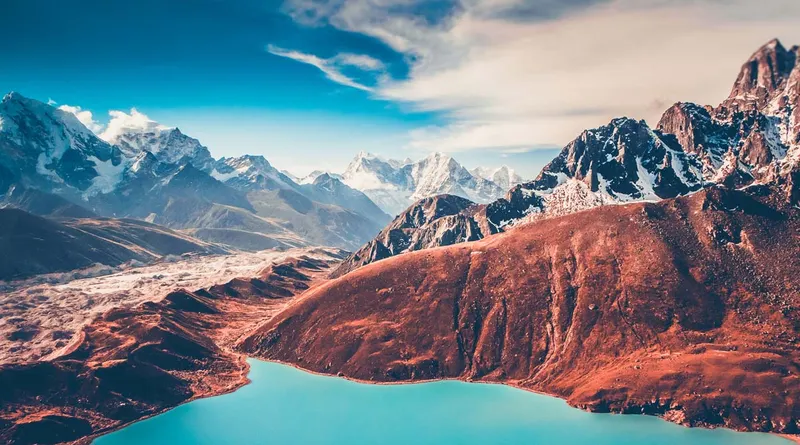
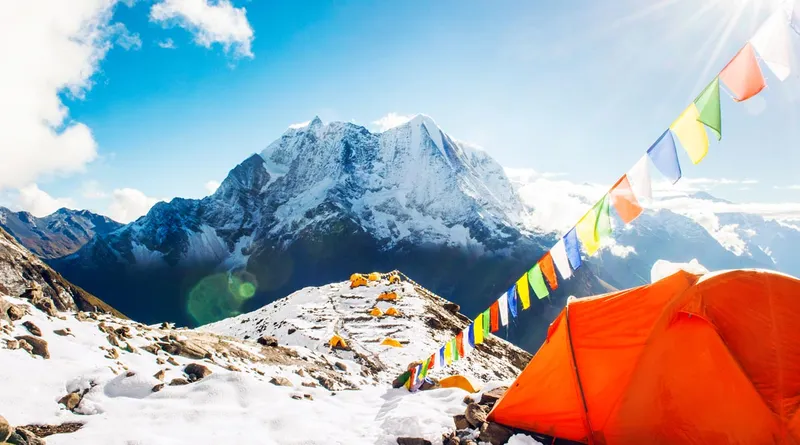
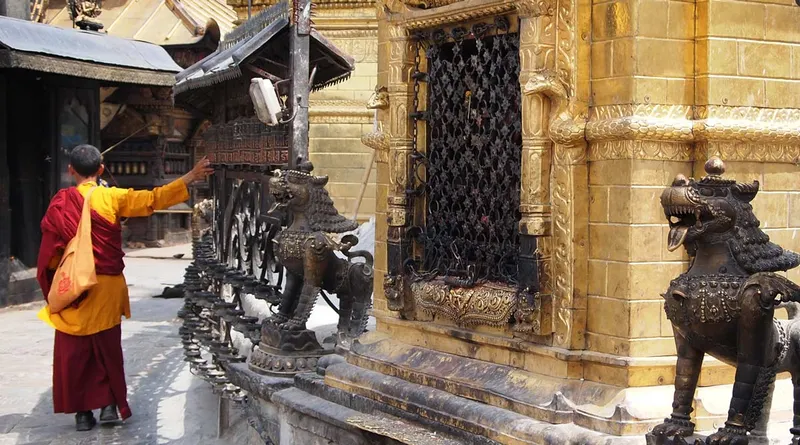
Nepal is home to a rich tapestry of cultural and natural landmarks. Must-see attractions include Kathmandu's Durbar Square, the ancient city of Bhaktapur, the stunning temples of Swayambhunath and Boudhanath, and the serene lakeside city of Pokhara. For nature enthusiasts, the Annapurna Circuit and Everest Base Camp treks are unforgettable experiences.
Traveling around Nepal can be done via domestic flights, buses, and private vehicles. Domestic flights are the quickest way to reach remote areas like Lukla for Everest treks. Buses and microbuses connect major cities and towns, though they can be crowded. Hiring a private car or jeep offers more comfort and flexibility, especially for exploring rural areas.
Nepal offers a variety of traditional dishes that reflect its diverse culture. Be sure to try 'dal bhat' (lentil soup with rice), 'momo' (dumplings filled with meat or vegetables), and 'gundruk' (fermented leafy greens). 'Sel roti', a sweet, rice-based bread, is a popular snack. Don't miss tasting local teas and the traditional alcoholic beverage, 'raksi'.
Nepal hosts numerous vibrant festivals throughout the year. Dashain, celebrated in October, is the largest festival, marked by family gatherings and rituals. Tihar, also known as the festival of lights, follows Dashain and is similar to Diwali. Holi, the festival of colors, is celebrated with enthusiasm in March. Participating in these festivals offers a unique insight into Nepalese culture and traditions.