
Details for Tanzania
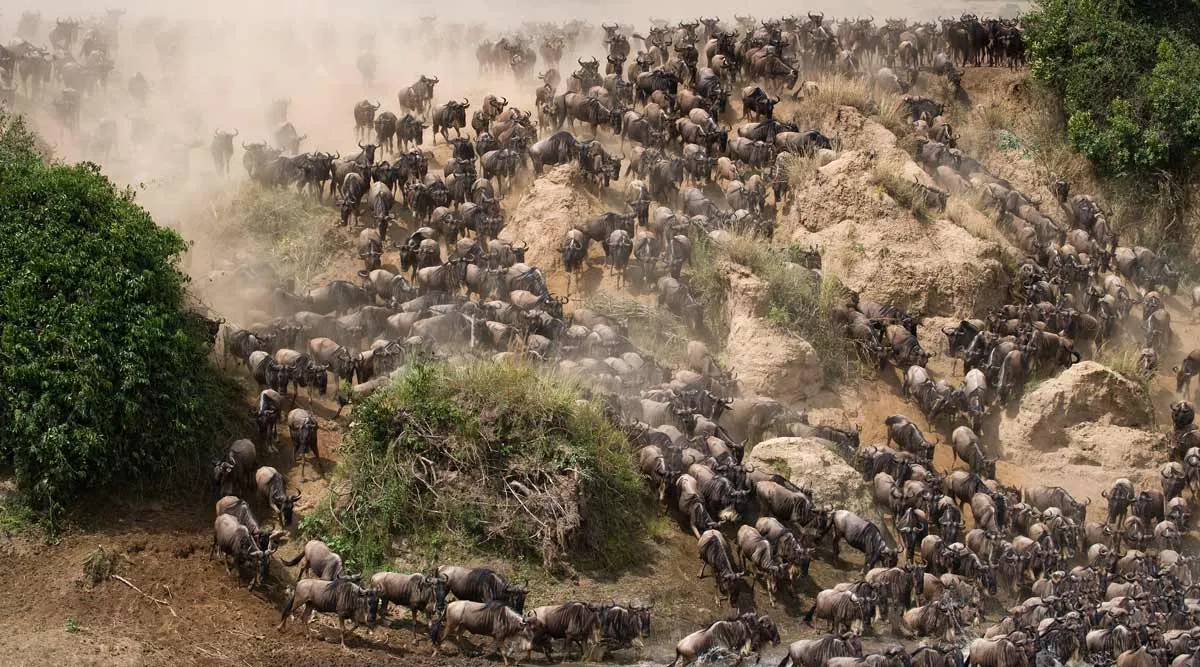
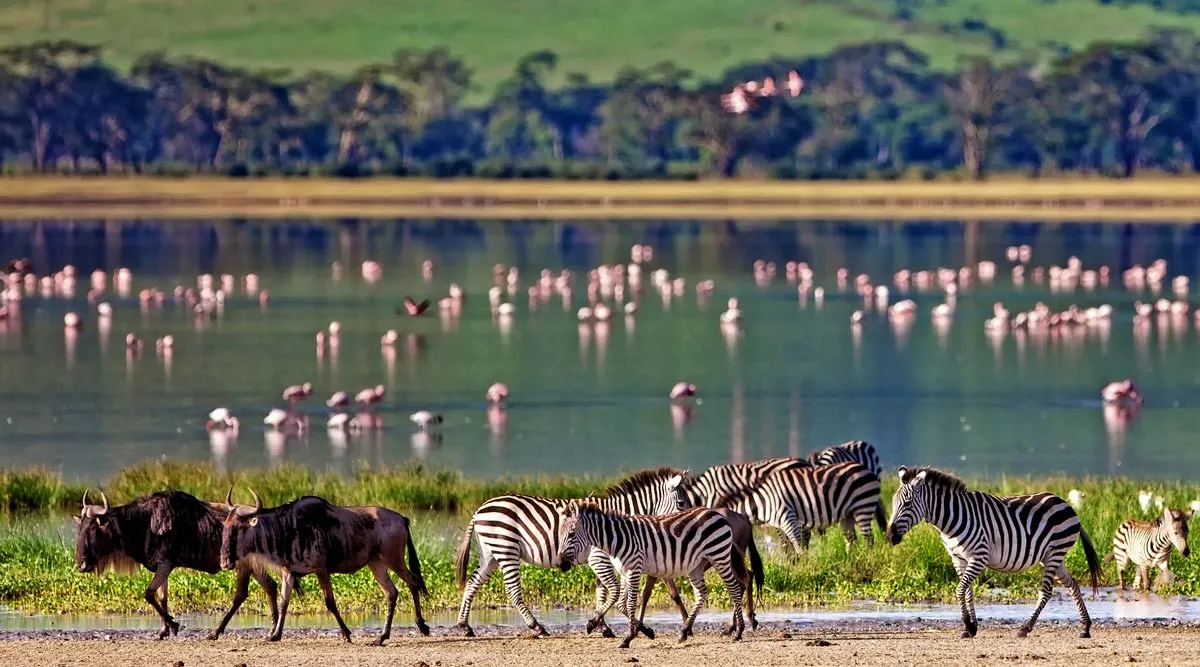
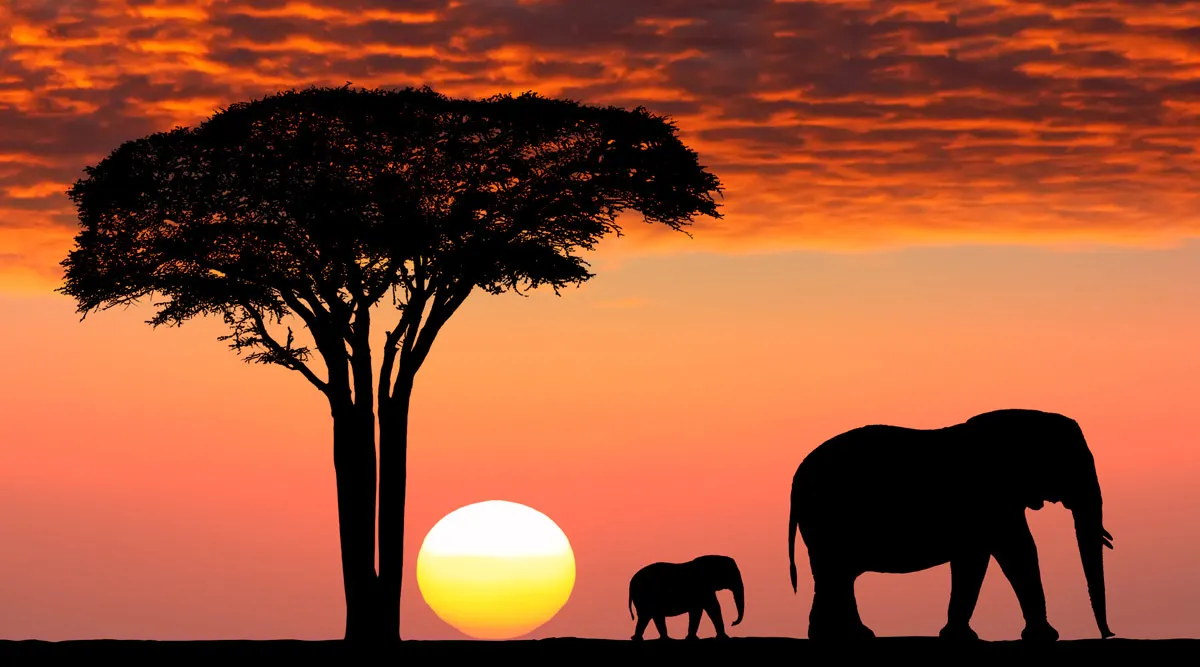
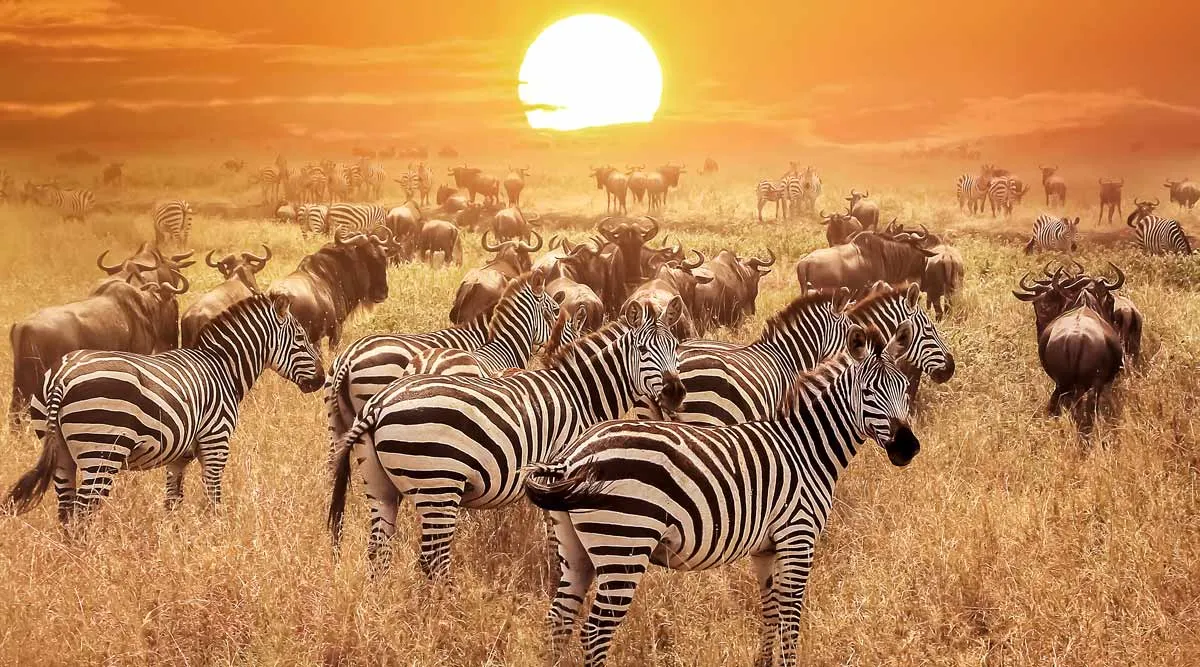

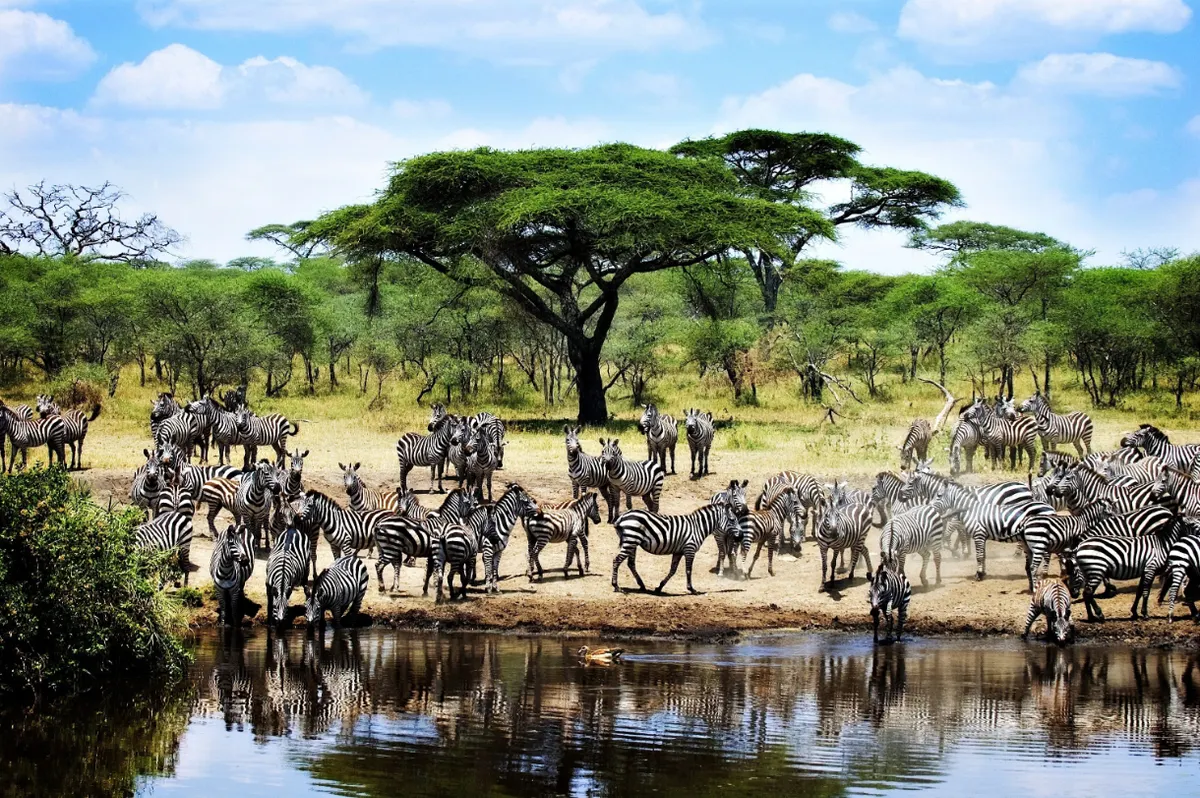
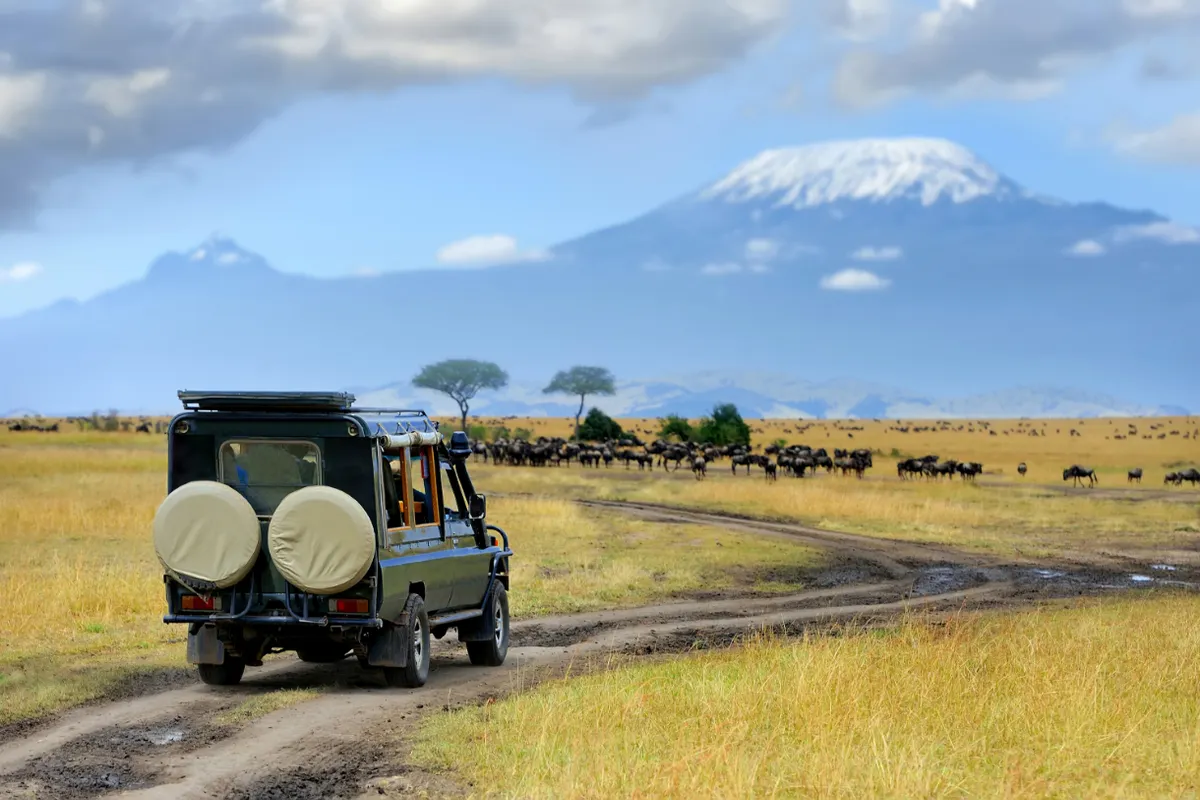
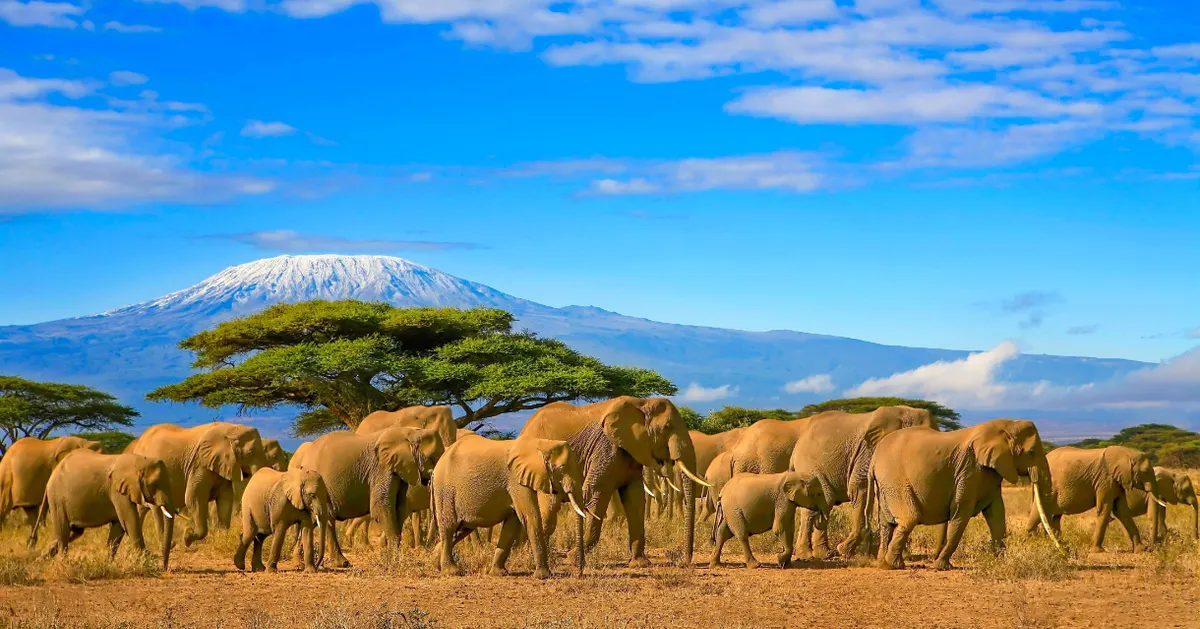
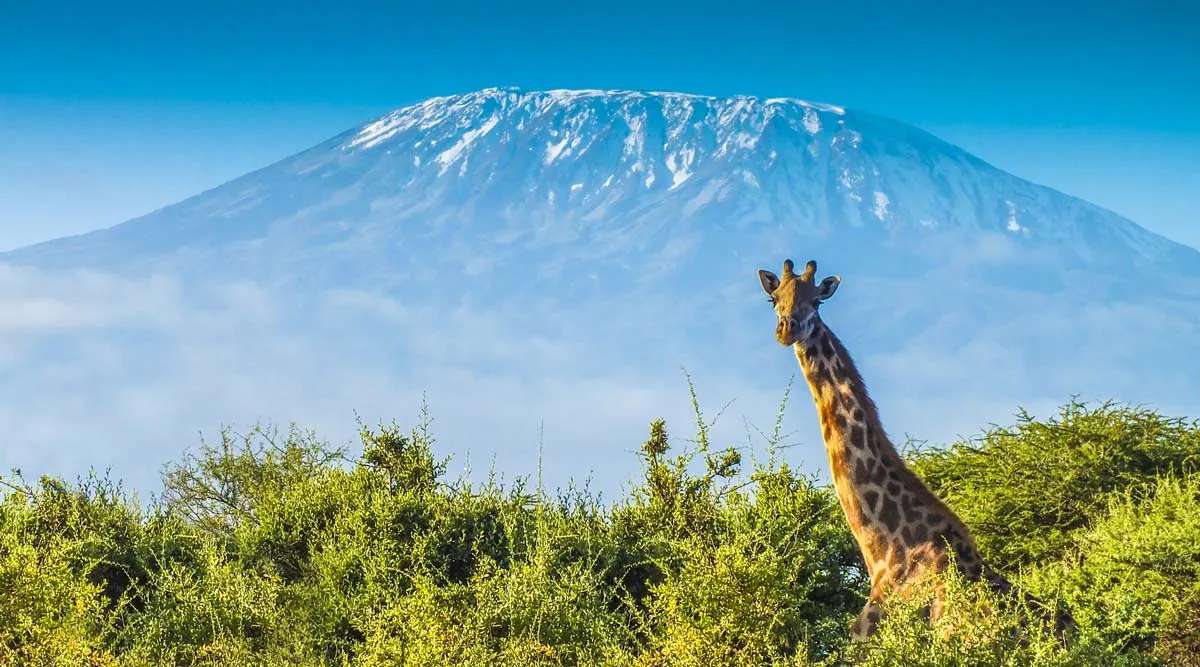
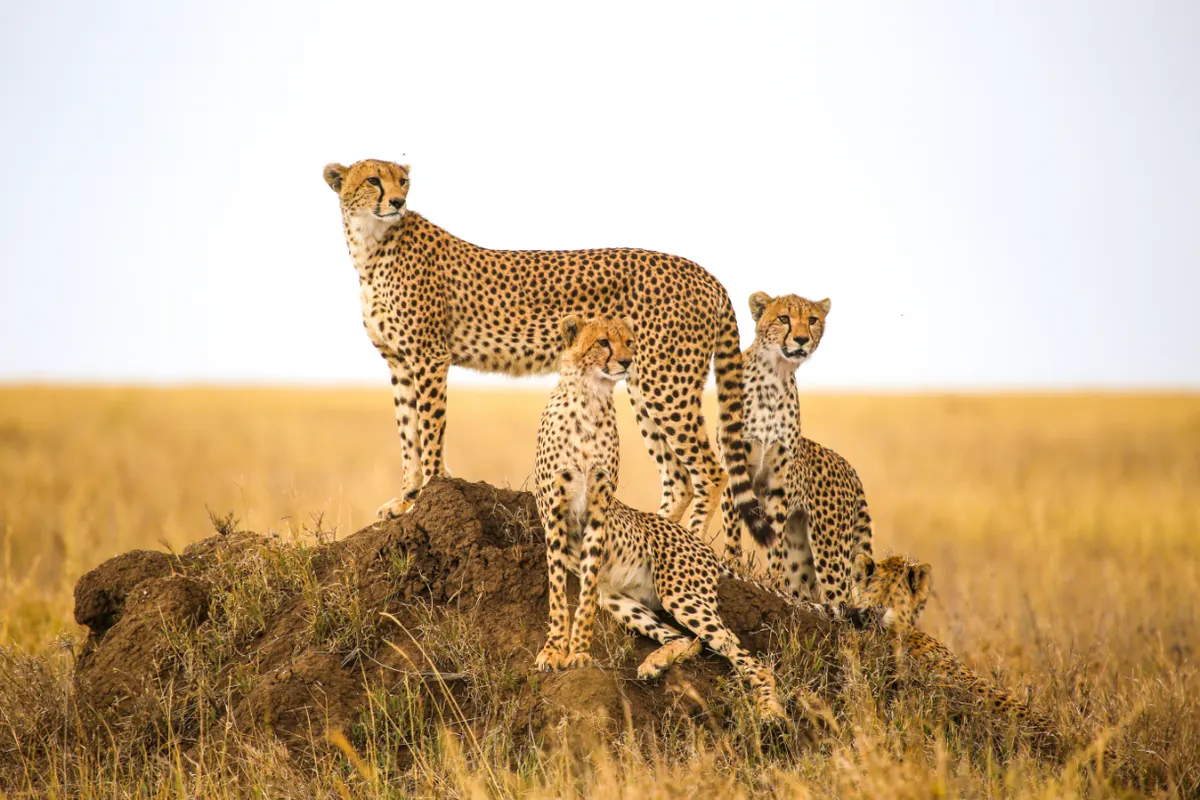
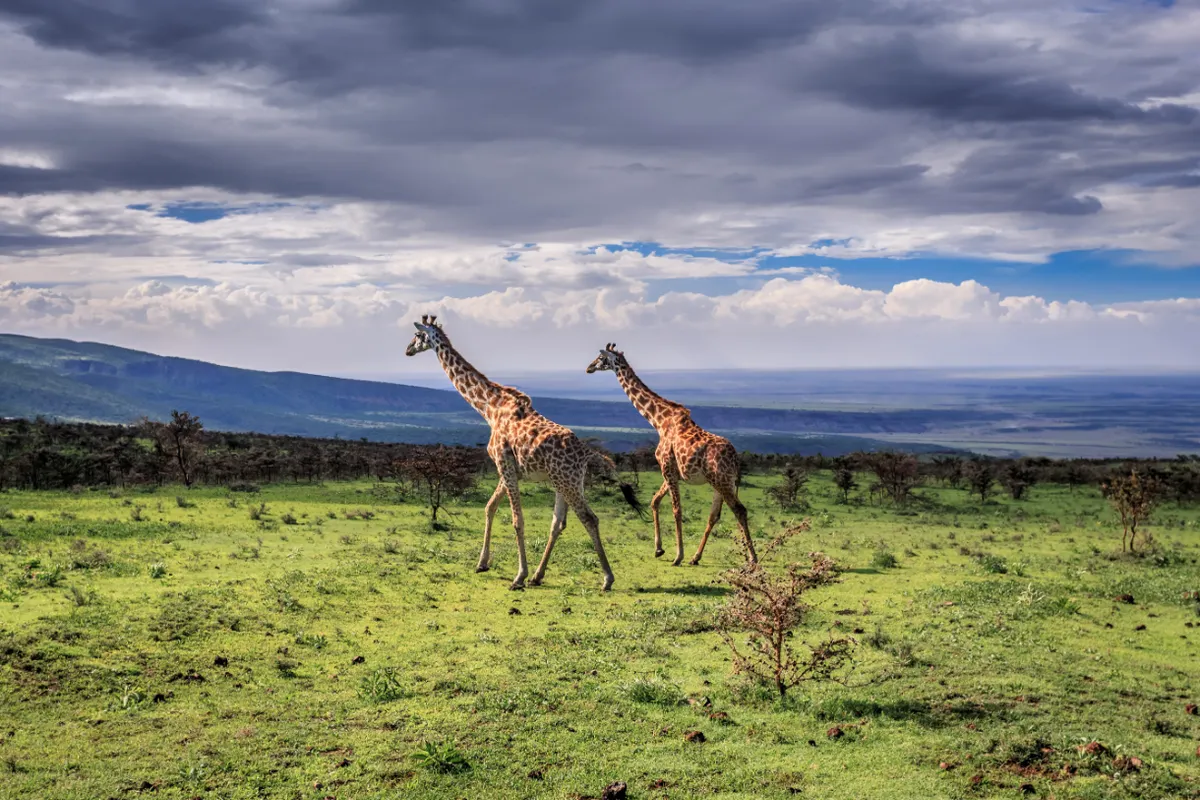
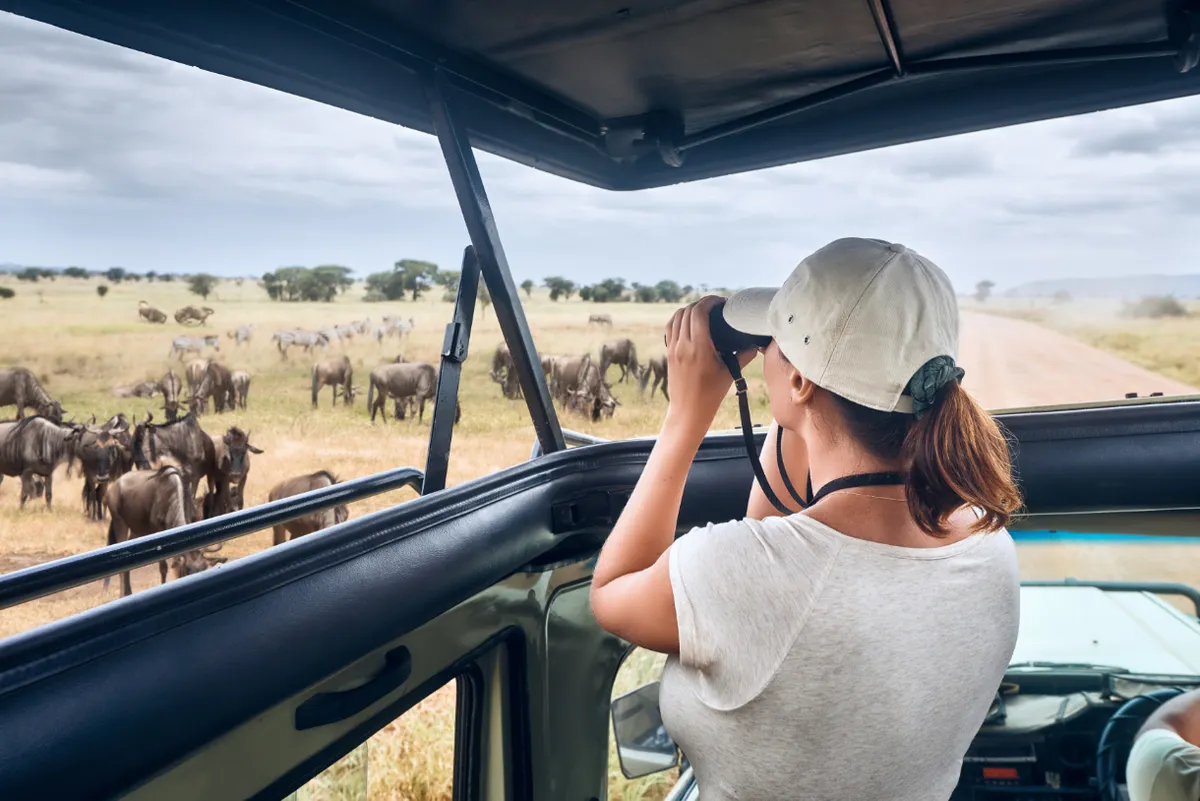
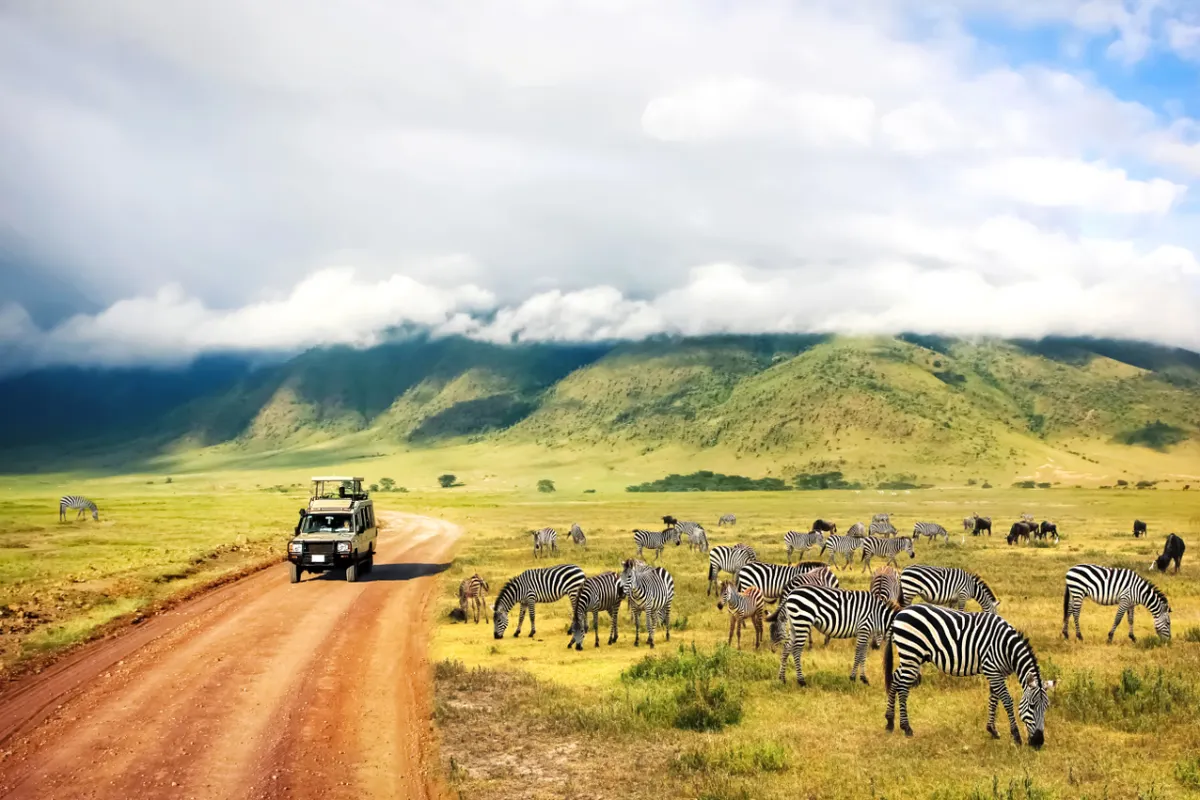

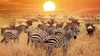

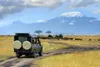
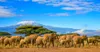
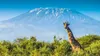
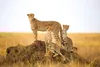
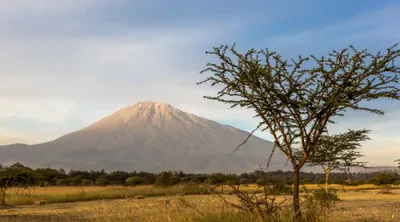
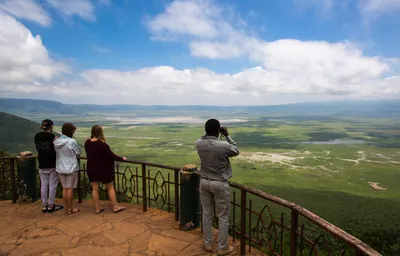
Tanzania is a destination like no other, where nature's raw beauty meets vibrant culture and unforgettable adventures. Immerse yourself in the wonders of the Serengeti National Park, where the awe-inspiring Great Migration unfolds before your eyes. Conquer the legendary Mount Kilimanjaro, Africa’s tallest peak, or explore the lush Ngorongoro Crater, a UNESCO World Heritage Site teeming with wildlife.
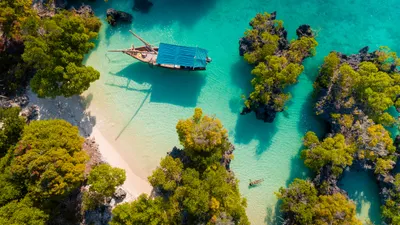
Escape to the idyllic Zanzibar Archipelago, where turquoise waters, powder-soft beaches, and vibrant coral reefs invite you to unwind and explore. Delve into the heart of Tanzanian culture by connecting with the Maasai people and their timeless traditions.
Whether you’re seeking thrilling safaris, serene island escapes, or enriching cultural experiences, Tanzania offers an unmatched blend of adventure, relaxation, and discovery. Your journey to the heart of Africa begins here—plan your escape today!
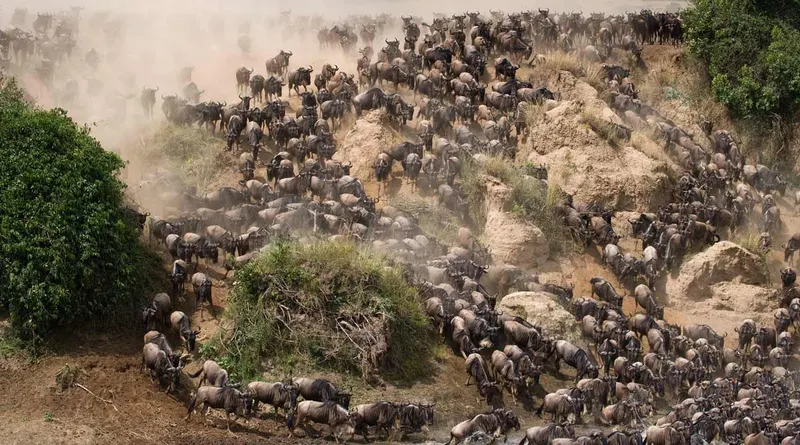
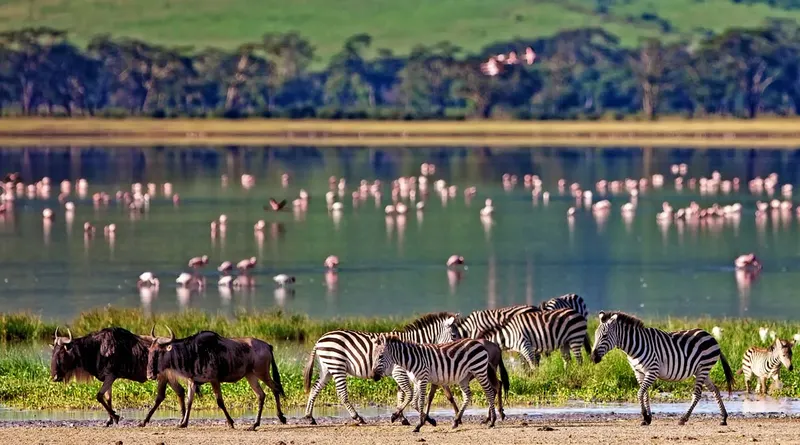
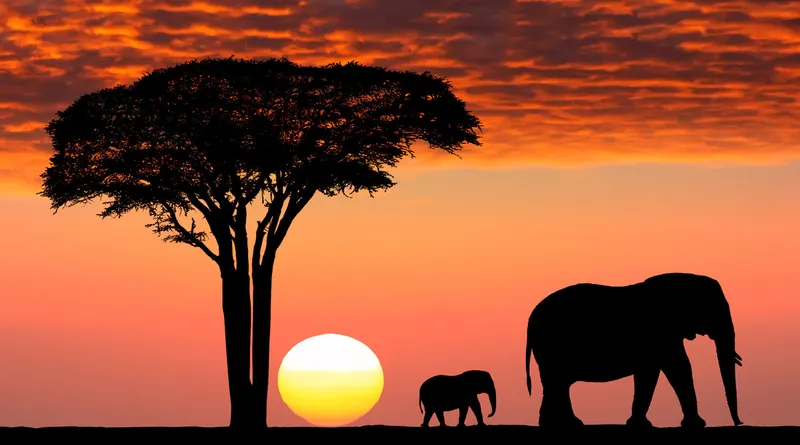
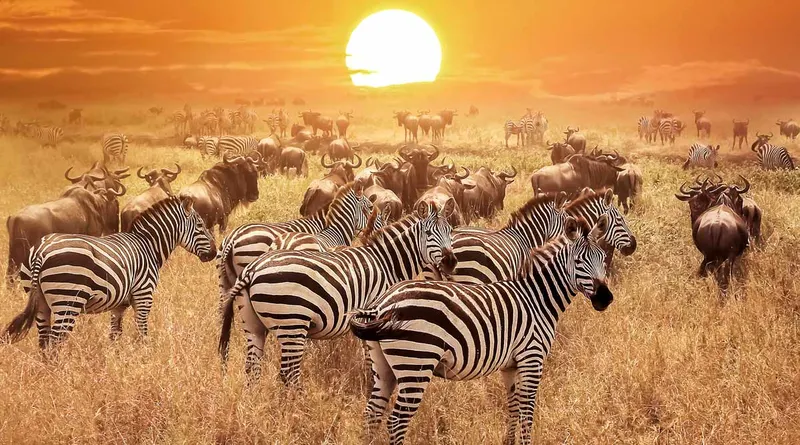

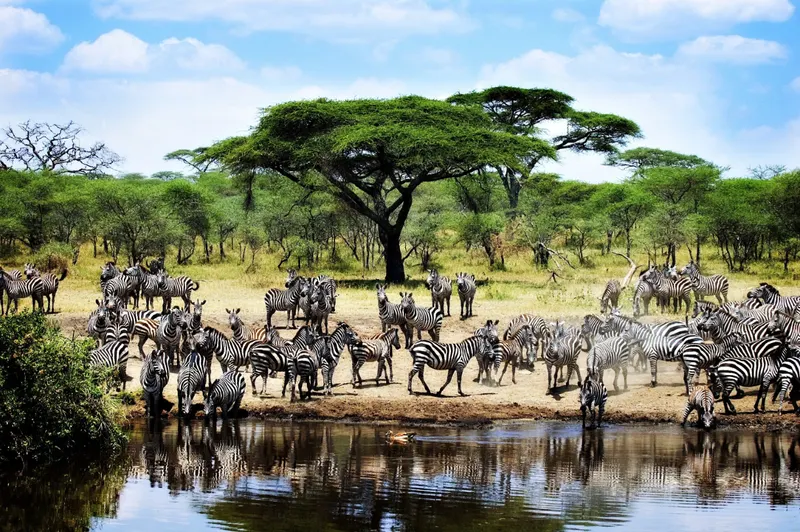
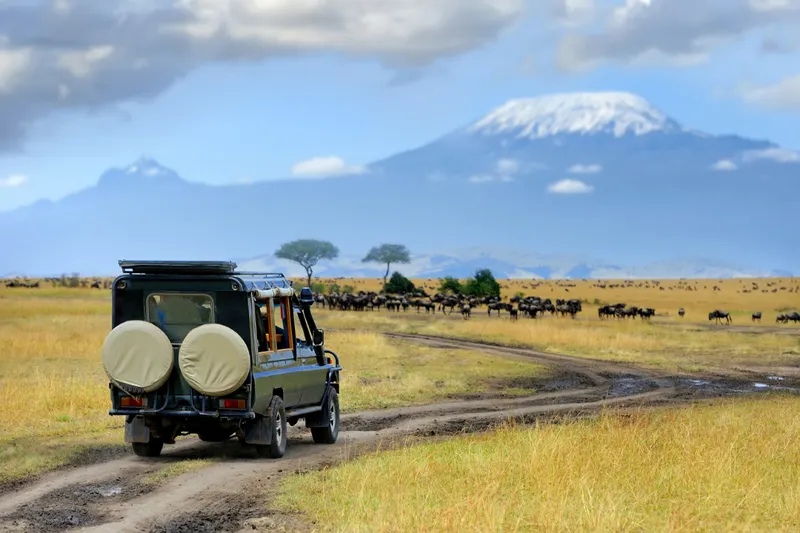
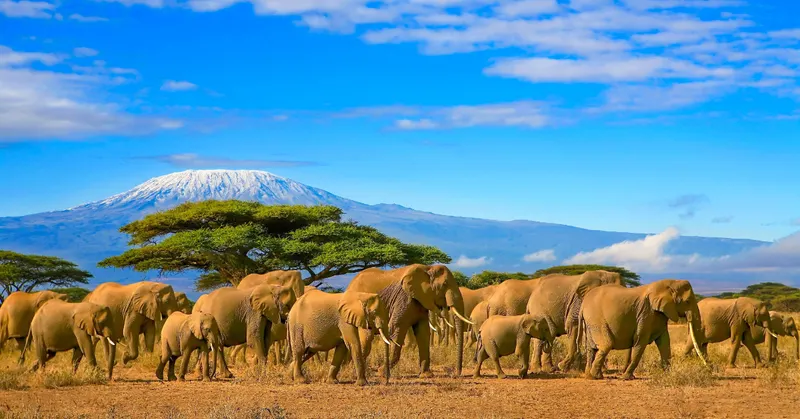
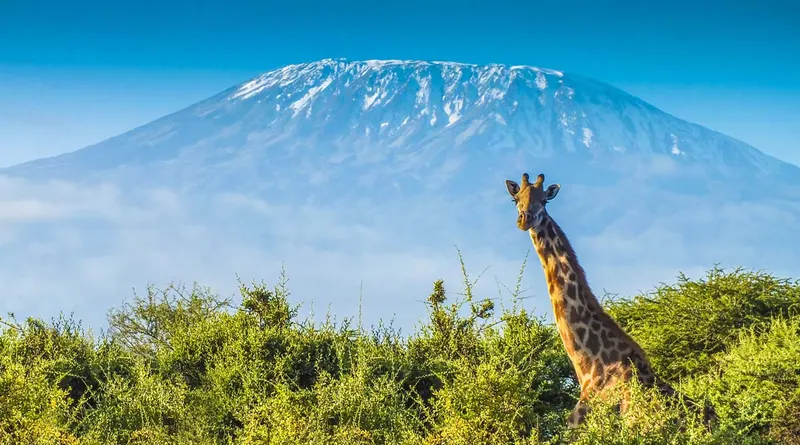
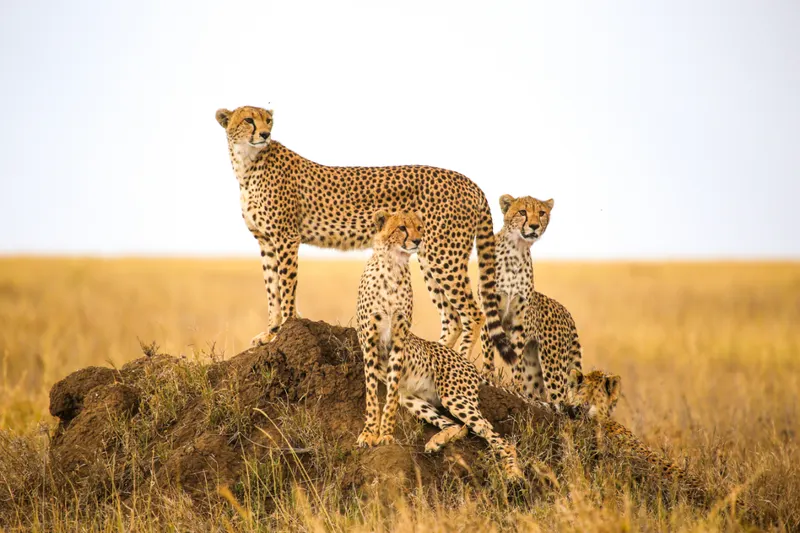
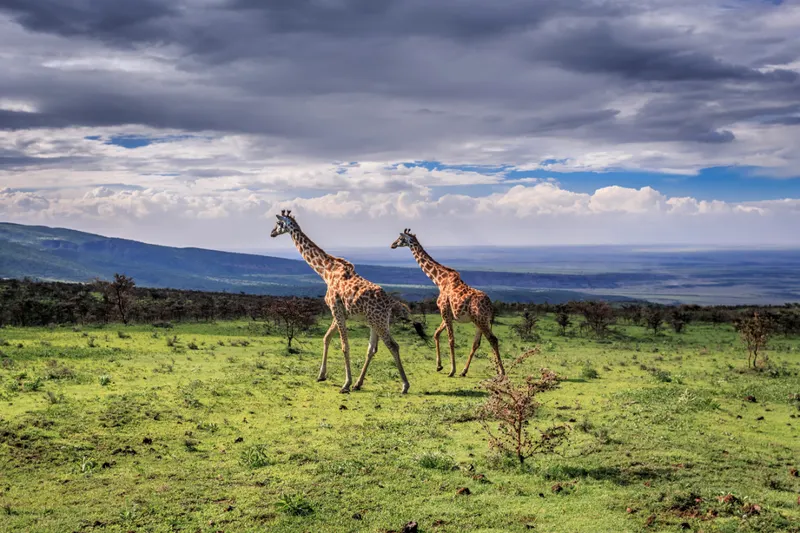
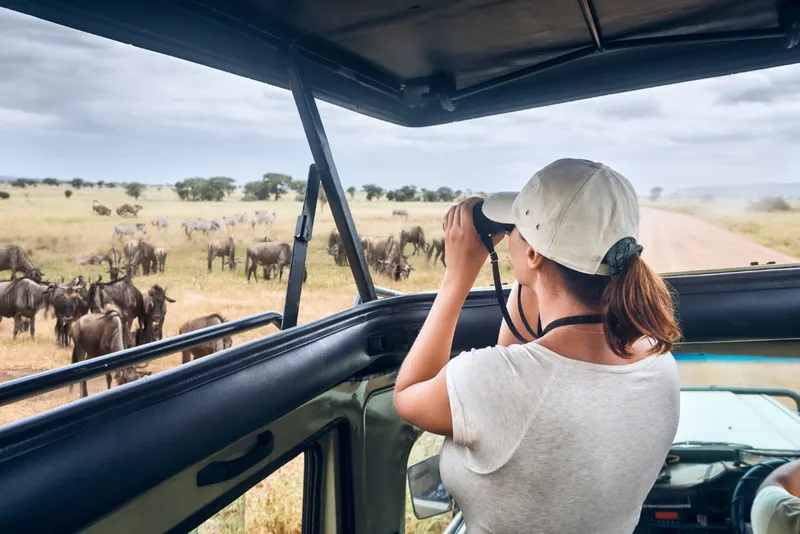
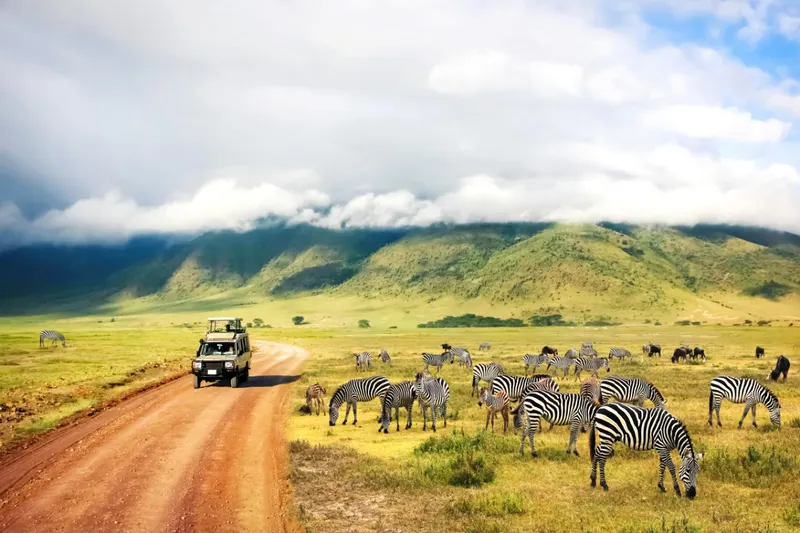
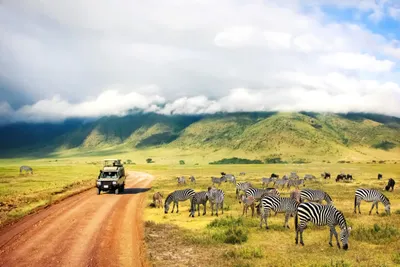
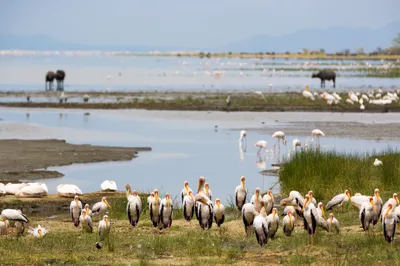
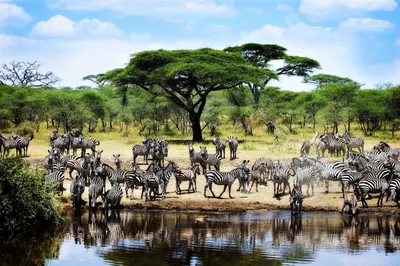
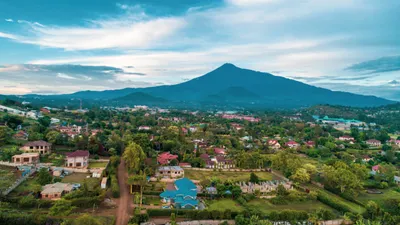
The best time to visit Tanzania is during the dry season from late June to October. This period offers excellent wildlife viewing opportunities, as animals gather around water sources. The weather is also pleasant, making it ideal for safaris and climbing Mount Kilimanjaro. For those interested in the Great Migration, the best time to visit the Serengeti is from June to July and January to February.
U.S. travelers need a valid passport and a visa to enter Tanzania. The passport must be valid for at least six months beyond the date of entry. Visas can be obtained in advance from Tanzanian embassies or consulates, or upon arrival at major airports and border points. It's advisable to check with official Tanzanian authorities for the most current entry requirements before traveling.
The currency used in Tanzania is the Tanzanian Shilling (TZS). While credit cards are accepted in major hotels, lodges, and some restaurants in larger cities, cash is preferred in rural areas and for smaller transactions. It's advisable to carry some local currency for convenience. ATMs are available in urban areas, but it's wise to have cash on hand when traveling to remote regions.
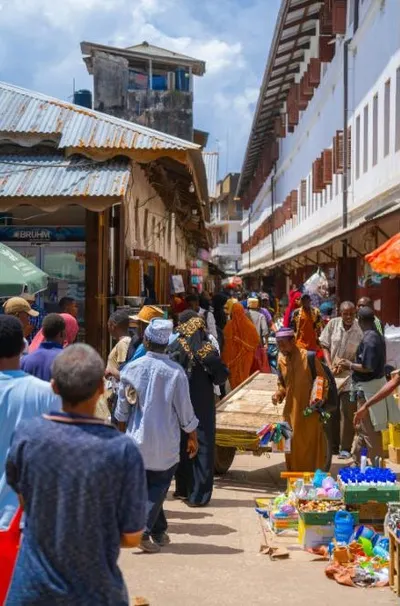
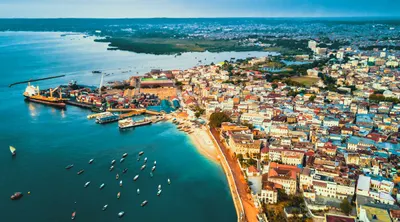
Tanzania offers a wealth of attractions including: - Serengeti National Park: Famous for the Great Migration and diverse wildlife. - Ngorongoro Crater: A UNESCO World Heritage site with stunning landscapes and rich animal life. - Mount Kilimanjaro: The highest peak in Africa, popular for trekking. - Zanzibar: Known for its beautiful beaches and historic Stone Town. - Tarangire National Park: Renowned for its large elephant population and baobab trees.
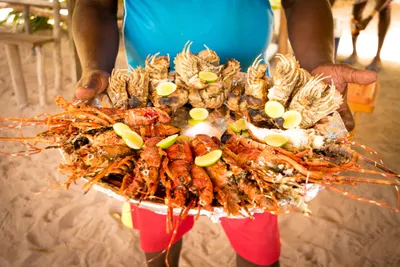
When visiting Tanzania, be sure to try traditional dishes such as: - Ugali: A staple made from maize flour, often served with meat or vegetable stews. - Nyama Choma: Grilled meat, commonly beef or goat, enjoyed with a side of vegetables. - Chapati: A type of flatbread, often served with curries or stews. - Pilau: A spiced rice dish, usually cooked with meat or vegetables. - Zanzibar's seafood: Freshly caught and prepared with local spices.
Travelers to Tanzania should be aware of health risks such as malaria and ensure they have the necessary vaccinations, including yellow fever if coming from an endemic area. It's advisable to drink bottled or boiled water to avoid waterborne diseases. Safety-wise, travelers should exercise caution in crowded areas and be mindful of personal belongings. It's also recommended to use reputable tour operators for safaris and excursions.
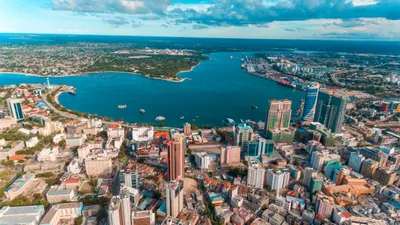
Getting around Tanzania is typically done by: - Domestic flights: Convenient for traveling between major cities and national parks. - Safari vehicles: Used for game drives and park tours. - Buses and minibuses: Common for local travel, though they can be crowded. - Taxis and ride-hailing apps: Available in cities like Dar es Salaam and Arusha. For a seamless experience, consider booking transportation through a travel service like Keytours Vacations, especially for safaris and remote destinations.